
The Complete Guide to Better Sleep
Empowering Better Health Through Knowledge
What You’ll Learn
Sleep is sometimes treated like the part of life we squeeze in after everything else is finished.
But sleep isn’t wasted time.
It’s an active biological process essential to brain function, physical health, immune regulation, metabolism, learning, memory, and everyday performance.
In this Knowledge Guide, you’ll learn:
- Why sleep matters
- How much sleep adults generally need
- Why sleep quality matters as much as time in bed
- How your circadian rhythm influences sleep
- How sleep connects with immune health and inflammation
- Why stress and sleep can become a vicious cycle
- Everyday habits that support healthier sleep
- Why sleeping pills aren’t the only answer
- When poor sleep deserves medical evaluation
What Actually Happens While You Sleep?
From the outside, sleep looks remarkably uneventful.
You’re lying still with your eyes closed.
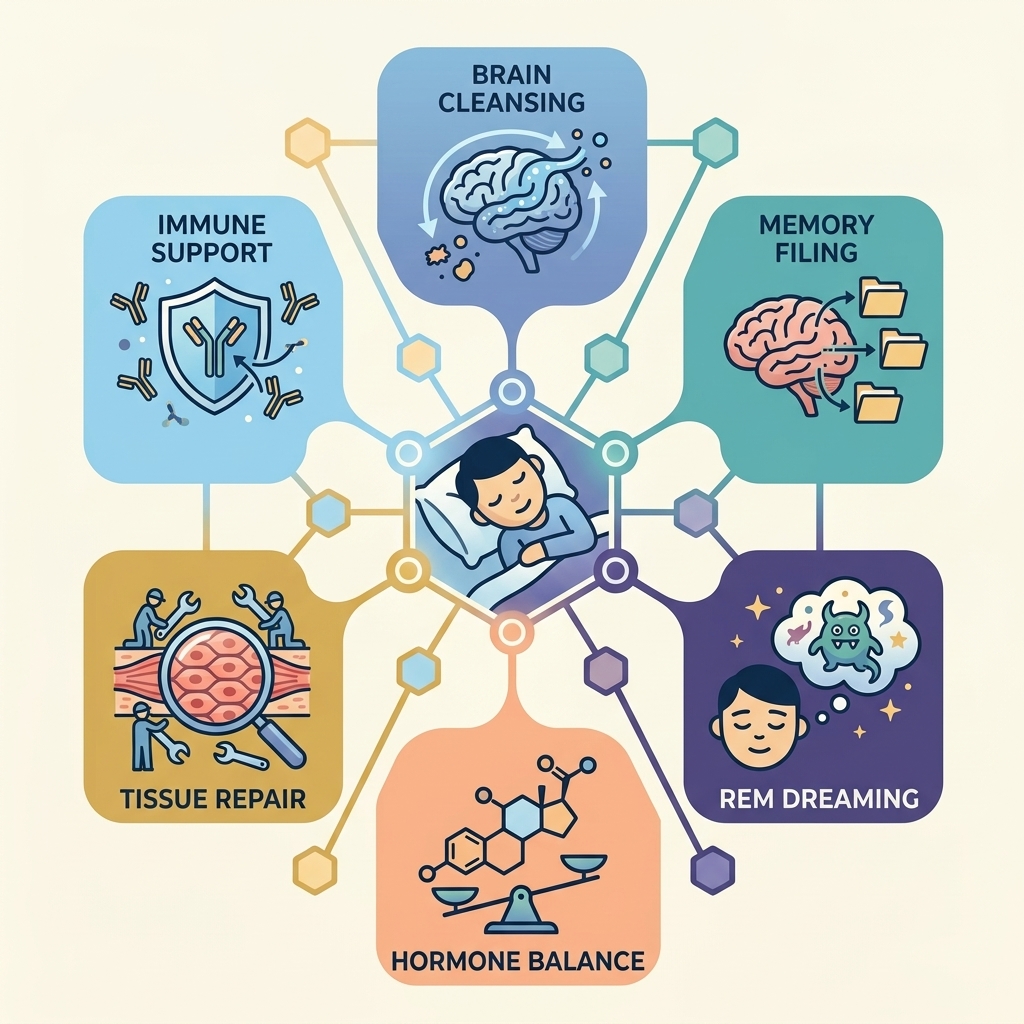
Inside, however, your body and brain are busy.
During a typical night, you cycle through different stages of sleep, broadly including non-REM sleep and REM sleep.
These stages aren’t interchangeable.
Across the night, sleep participates in processes involving:
- Learning and memory
- Brain function
- Hormone regulation
- Metabolism
- Immune activity
- Cardiovascular health
- Physical restoration
That’s why chronically cutting sleep short isn’t simply losing “downtime.”
You’re reducing time devoted to biological processes your body expects to perform regularly.
How Much Sleep Do We Need?
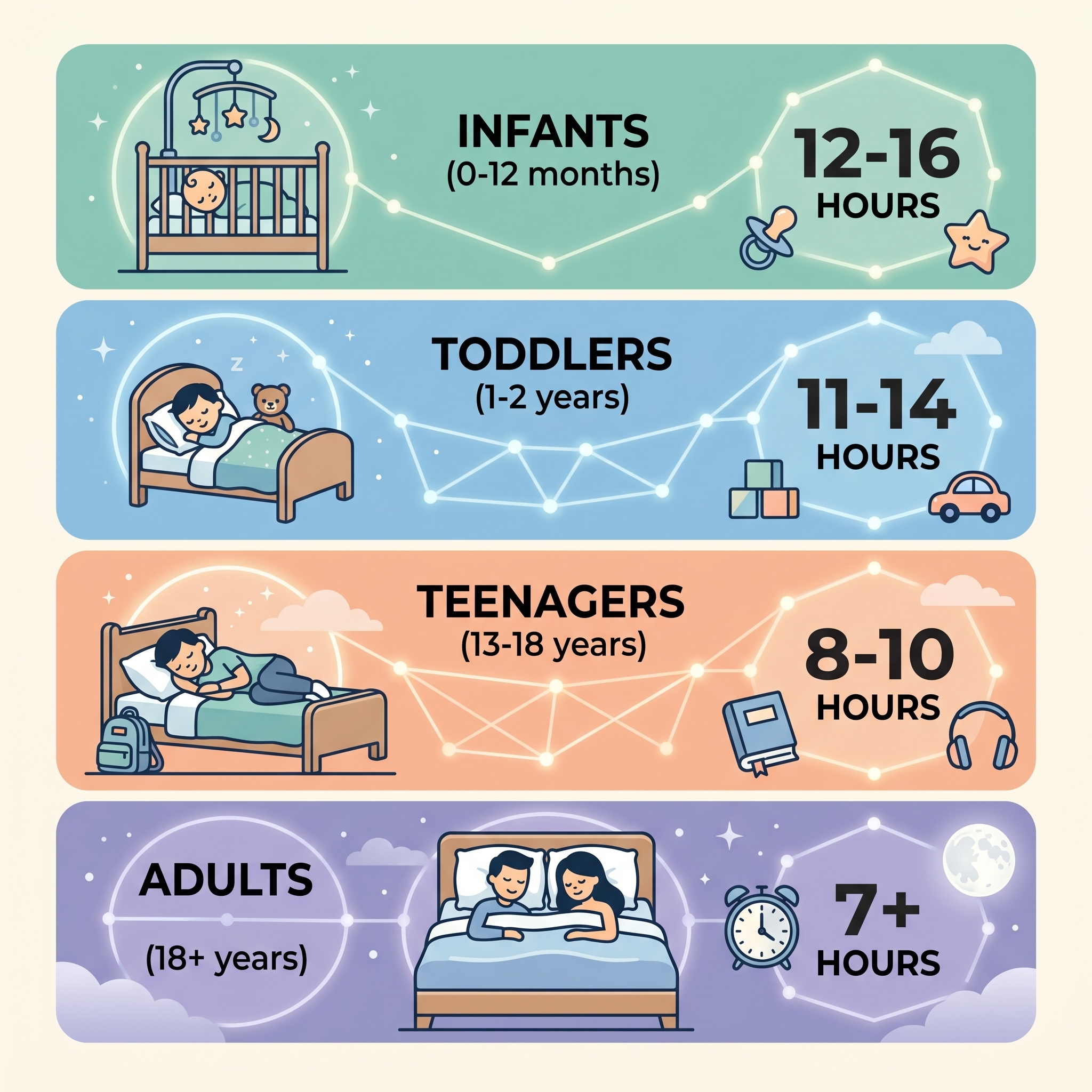
For most adults, approximately seven to nine hours per night is a reasonable target.
But sleep need varies.
And there’s an important distinction:
Seven hours in bed isn’t necessarily seven hours asleep.
If you:
- Take a long time to fall asleep
- Wake repeatedly
- Spend long periods awake during the night
- Have disrupted breathing
- Experience pain
- Get up frequently
your actual restorative sleep may be considerably different from your time in bed.
This is why we care about quality, continuity, timing, and duration.
Meet Your Internal Clock
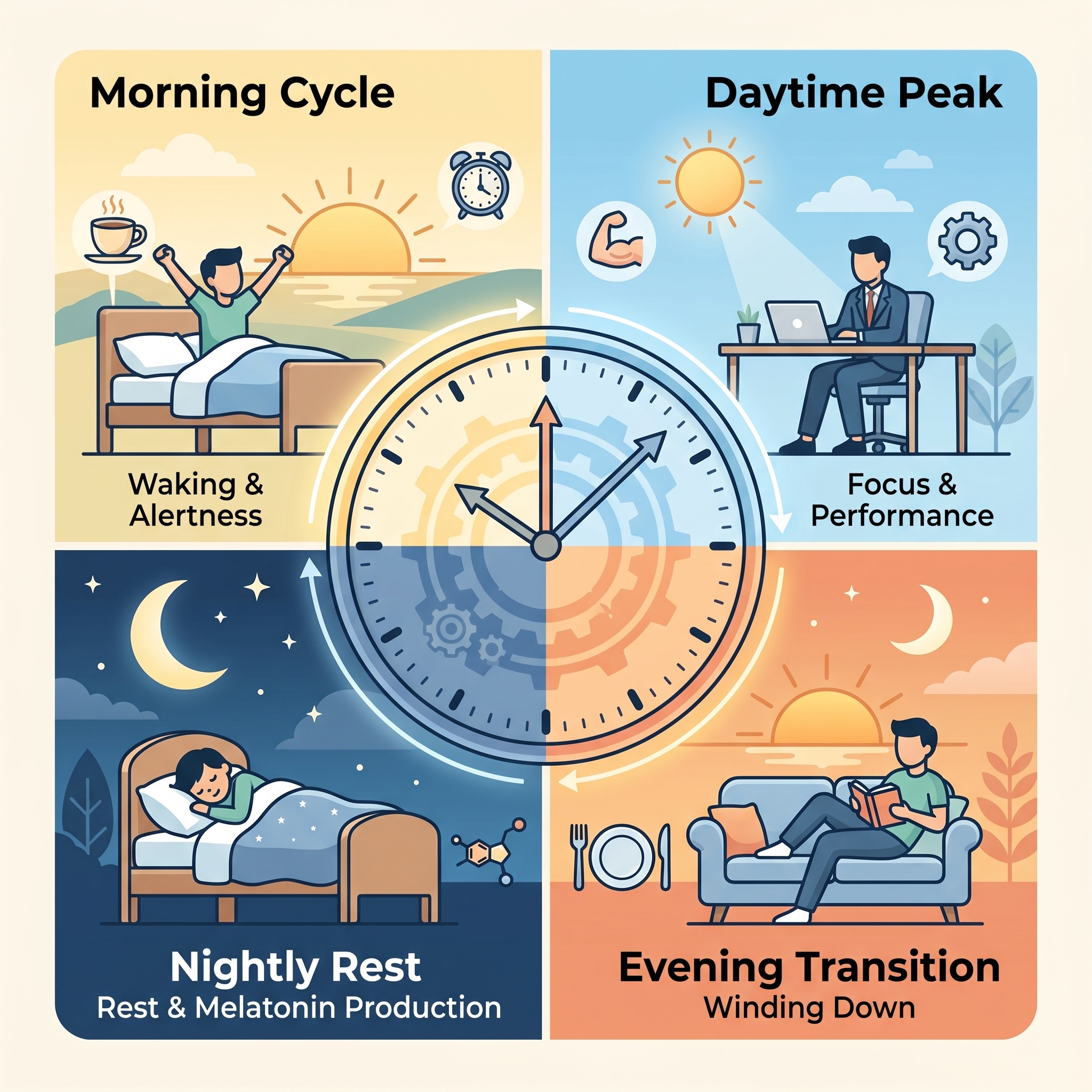
Your body has an internal timing system known as the circadian system.
Light is one of its strongest environmental signals.
During the day, light helps signal wakefulness.
As evening arrives and light diminishes, your biology begins preparing for nighttime.
This system helps coordinate sleep and wakefulness with many other biological processes.
Modern life can challenge that system.
We have:
- Bright indoor lighting
- Phones
- Tablets
- Televisions
- Computers
- Late-night work
- Irregular schedules
- Overnight shifts
- Limited daytime outdoor exposure
Our biology didn’t suddenly stop responding to light simply because electricity was invented.
Morning Matters to Nighttime Sleep
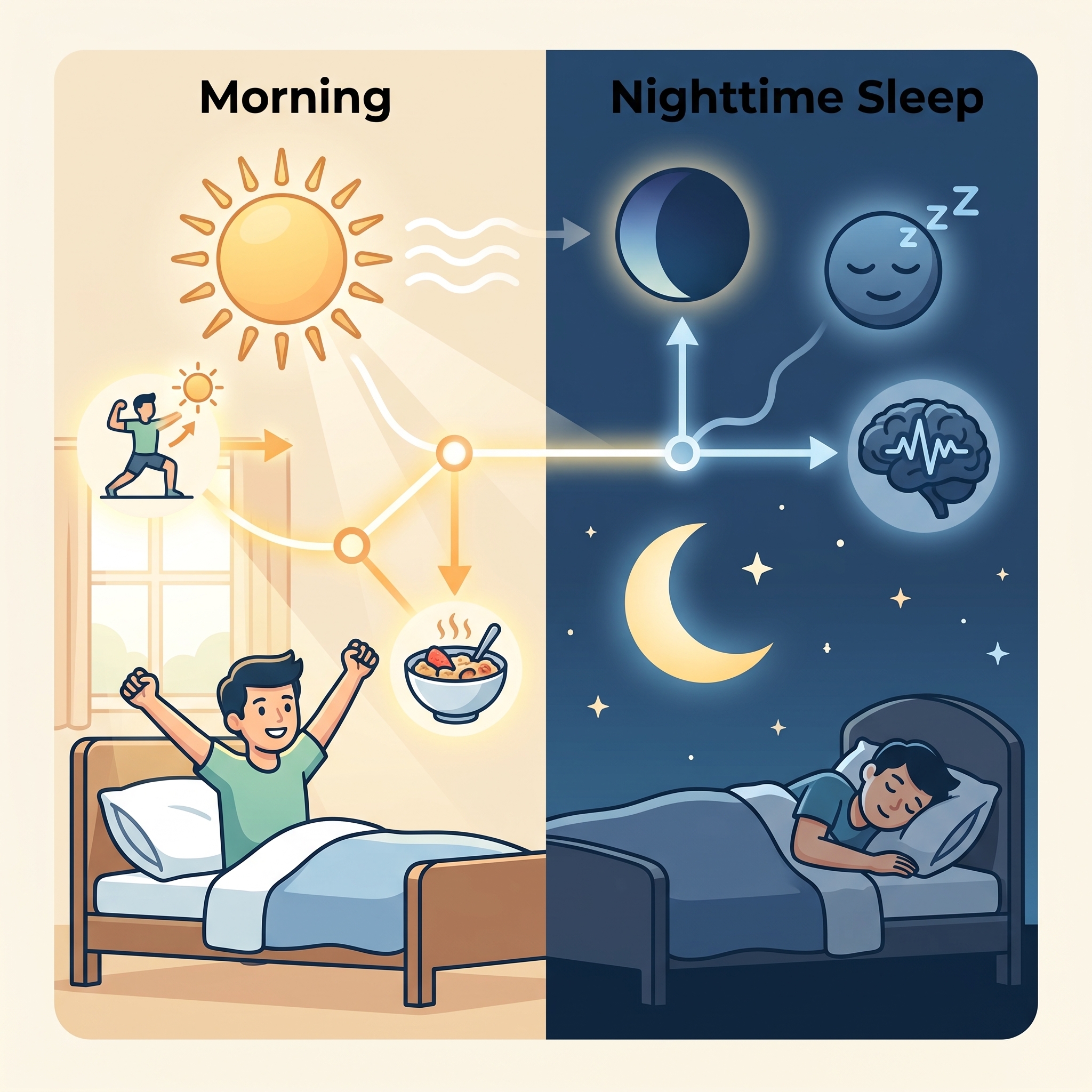
When people struggle with sleep, they naturally focus on bedtime.
But healthy sleep begins much earlier.
Morning and daytime habits matter too.
A few useful practices include:
- Wake at a reasonably consistent time
- Get daylight during the day, especially earlier in the day
- Move your body
- Avoid spending the entire day indoors in dim light
- Be thoughtful about caffeine timing
- Build enough activity into your day to create a meaningful distinction between daytime and nighttime
Better nights often begin with better days.
Sleep and Your Brain
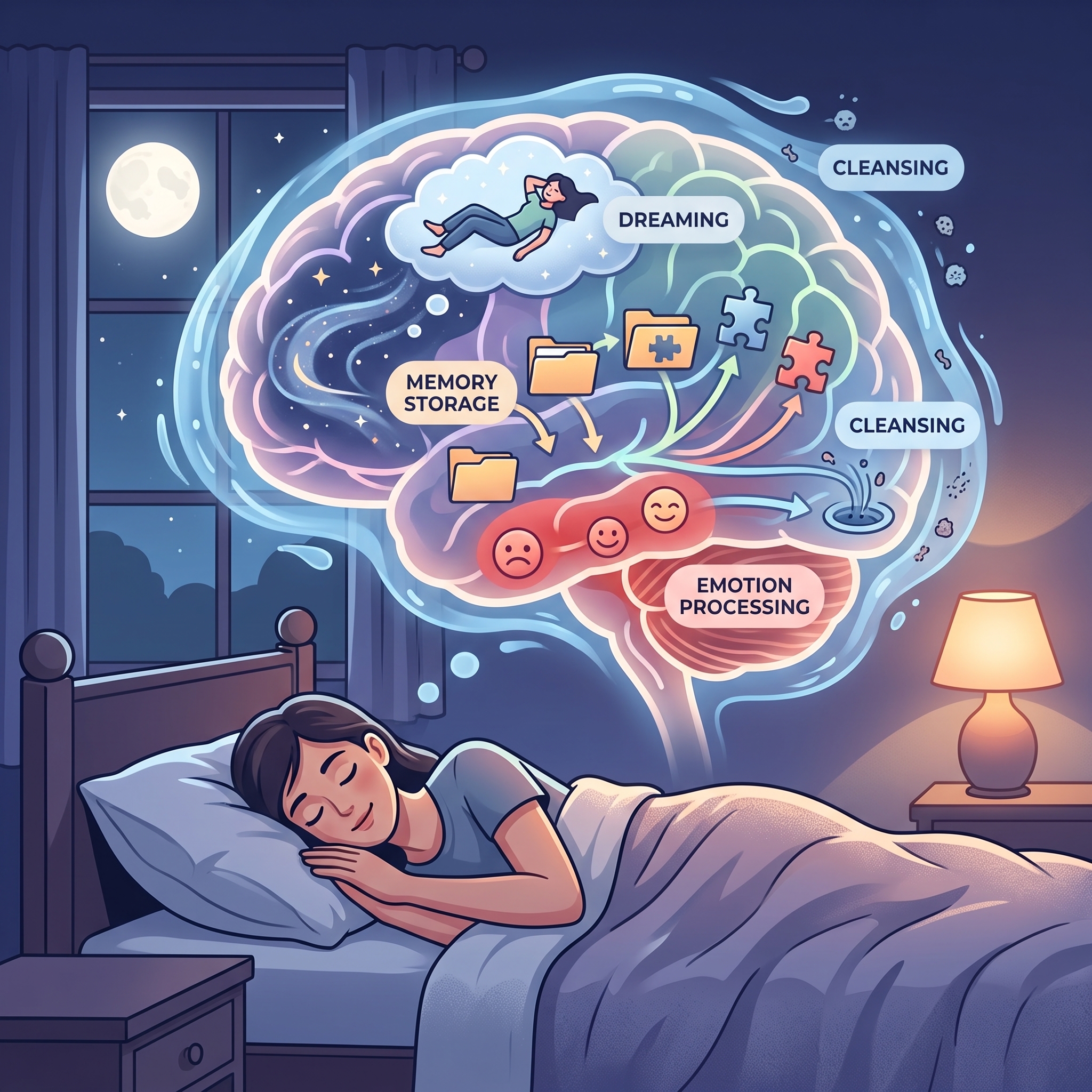
Sleep plays important roles in learning, attention, thinking, and memory.
That’s why sleep deprivation can leave you feeling:
- Foggy
- Forgetful
- Irritable
- Slow to react
- Unable to concentrate
Sometimes what people call “brain fog” may simply be the predictable result of inadequate or disrupted sleep.
That doesn’t mean all cognitive symptoms come from sleep.
But sleep is certainly one of the first foundations worth examining.
Sleep and Your Immune System
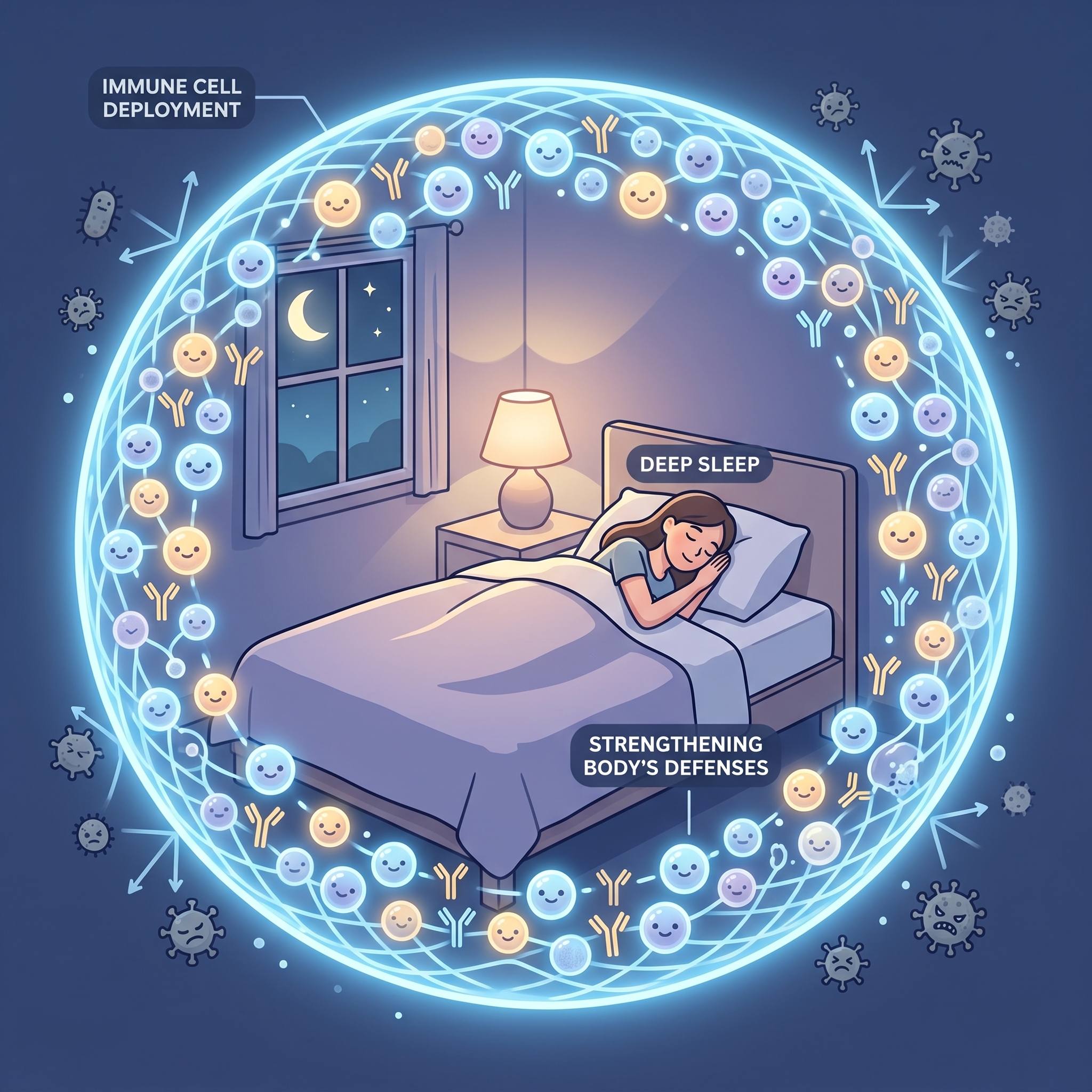
Here’s another example of Everything Is Connected.
Sleep and immune function communicate in both directions.
Sleep influences aspects of immune-cell production and activity.
At the same time, immune signals can influence sleep—something you’ve probably experienced when you’ve been sick and suddenly wanted to sleep far more than usual.
Research has also found relationships between insufficient sleep and inflammatory activity.
So sleep isn’t simply about whether you feel rested tomorrow morning.
It’s part of the body’s broader system of regulation.
Sleep and Chronic Inflammation
This connects directly to WKC-002: The Complete Guide to Chronic Inflammation.
Inflammation is necessary for normal immune defense and healing.
But sleep disruption and inflammatory signaling have a complicated, bidirectional relationship.
Insufficient or disrupted sleep can influence inflammatory pathways, while illness and inflammation can also disrupt sleep.
This is another reason we shouldn’t divide wellness into isolated boxes.
Sleep affects inflammation.
Inflammation can affect sleep.
The body is communicating in both directions.
Sleep and Energy
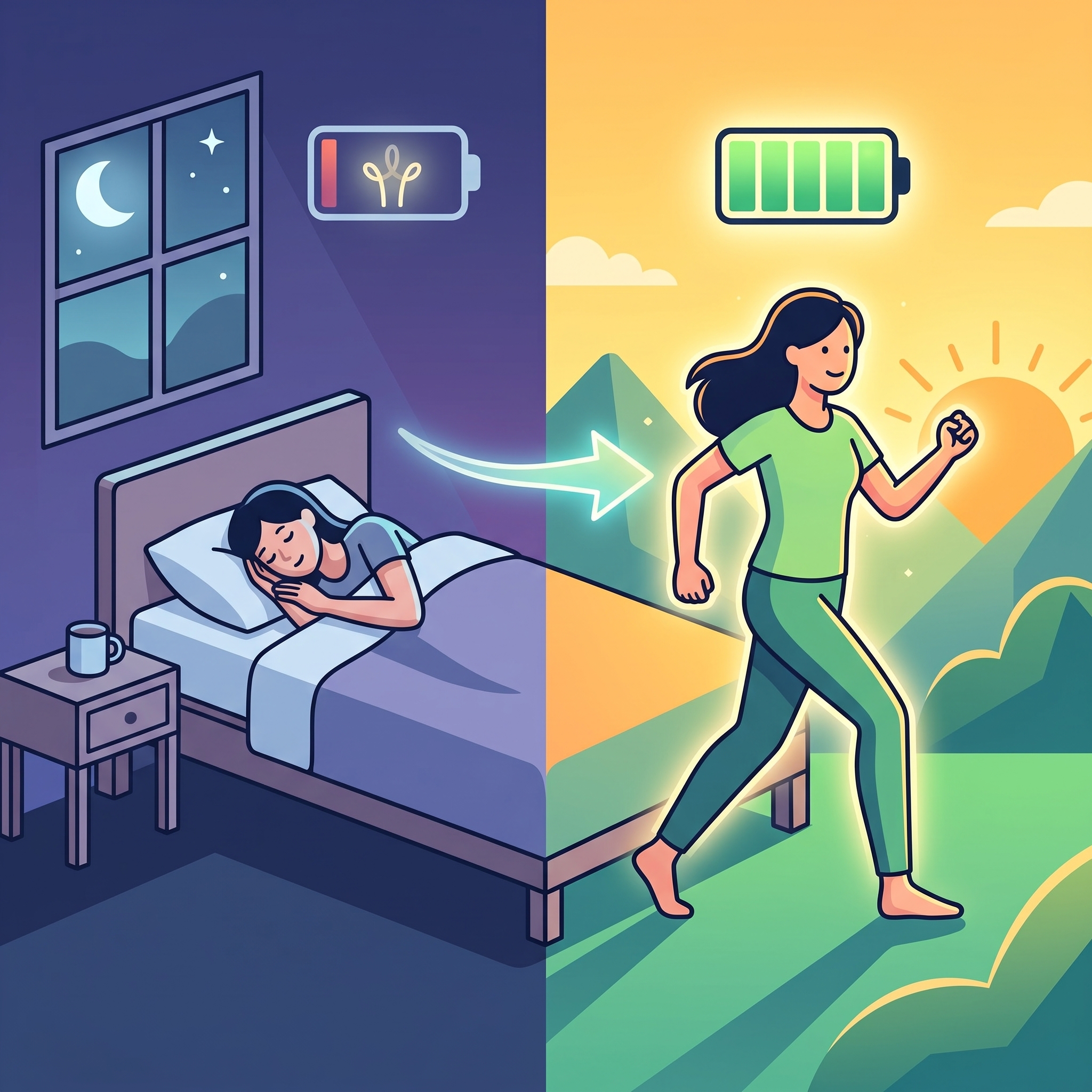
This connection probably needs little explanation.
Poor sleep can produce daytime fatigue, sleepiness, reduced alertness, and difficulty concentrating.
But here’s the important lesson from WKC-003: Why Do So Many People Feel Tired All the Time?
If you’re getting enough opportunity to sleep and you’re still exhausted every day, don’t simply keep adding more hours in bed.
Ask why.
Poor sleep quality, sleep apnea, medications, anemia, thyroid disorders, depression, chronic medical conditions, pain, and other factors may be involved.
Sleep is foundational.
But it isn’t the explanation for every case of fatigue.
Sleep and Stress
Have you ever been exhausted all day and then suddenly wide awake when your head hits the pillow?
Your body is tired.
Your brain has other plans.
Stress activates physiological systems designed to help us respond to challenges.
When worries, work, caregiving, finances, health concerns, or an endless mental to-do list follow us into bed, transitioning into sleep can become difficult.
Then poor sleep makes the following day harder.
The harder day creates more stress.
More stress interferes with the next night’s sleep.
And a cycle begins.
The goal isn’t to eliminate stress.
It’s to create opportunities for your nervous system to transition from doing to resting.
Caffeine: Helpful Tool or Sleep Thief?
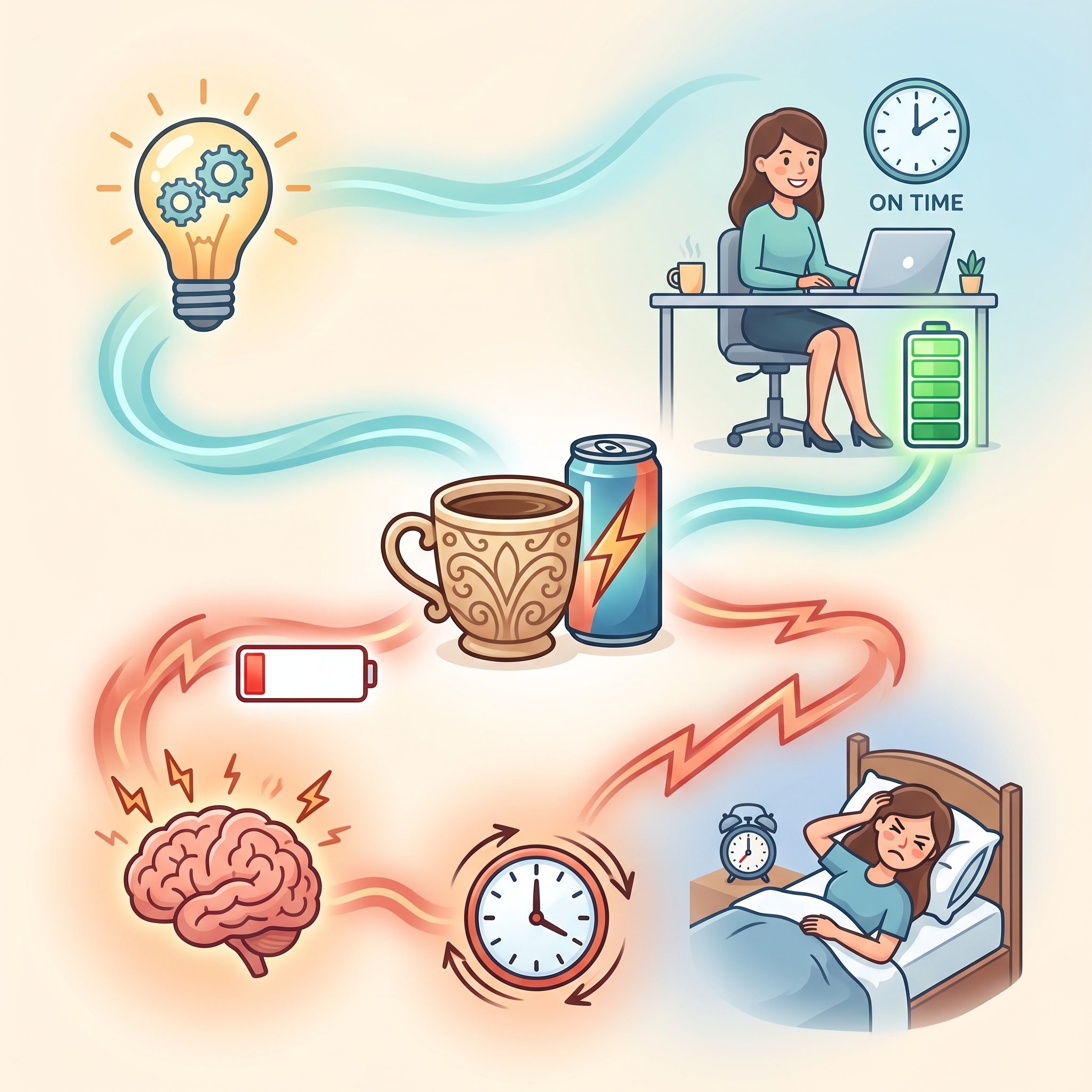
Caffeine can improve alertness.
But caffeine doesn’t create energy.
It temporarily reduces the sensation of sleep pressure by blocking adenosine receptors in the brain.
For some people, caffeine consumed later in the day can interfere with falling asleep or sleep quality.
Sensitivity varies considerably.
If you’re struggling with sleep, experiment with moving your last caffeinated drink earlier.
Don’t just ask:
“Can I fall asleep after coffee?”
Also ask:
“How well am I sleeping?”
Alcohol and Sleep
Alcohol may make some people feel sleepy initially.
That doesn’t mean it improves healthy sleep.
Alcohol can disrupt sleep later in the night and can worsen breathing-related sleep problems in susceptible individuals.
Using alcohol as a sleep strategy can therefore be counterproductive.
Your Bedroom Matters
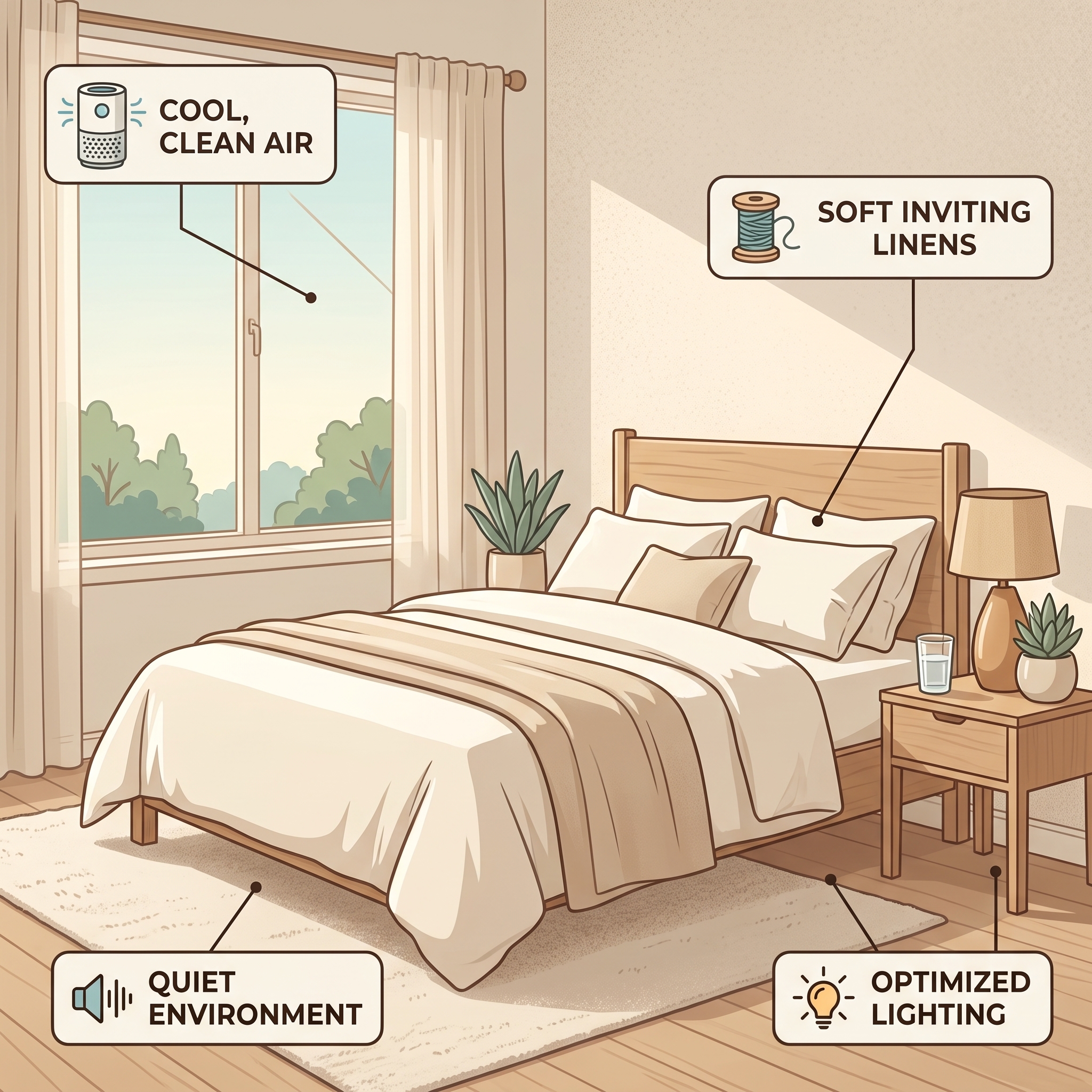
Your sleep environment doesn’t need to look like a luxury hotel.
But it should support what you’re asking your brain to do.
Consider:
Darkness
Reduce unnecessary light.
Quiet
Address disruptive noise where possible.
Temperature
Many people sleep better in a comfortably cool room.
Comfort
Your mattress and pillows should allow you to rest comfortably.
Association
If possible, let your bed primarily signal sleep, rather than work, email, television, and endless scrolling.
You’re teaching your brain what happens in that environment.
Create a Landing Routine
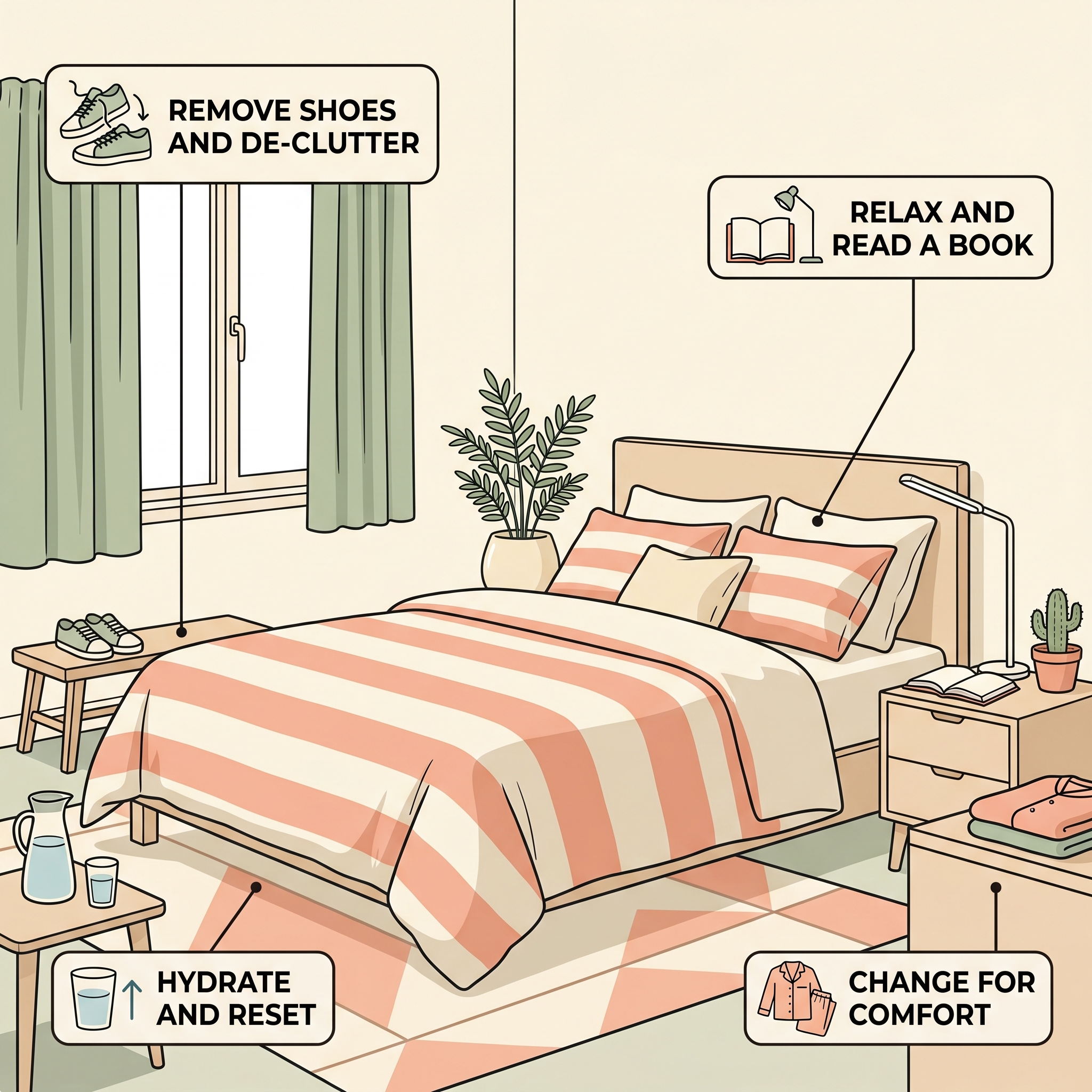
You probably don’t slam an airplane directly onto the runway.
It descends gradually.
Your day can work the same way.
Instead of moving directly from:
email → news → social media → work → BED
create a short transition.
It could be:
- Lower the lights
- Put the phone away
- Take a warm shower
- Read
- Stretch gently
- Pray
- Journal
- Practice slow breathing
- Listen to calming music
It doesn’t need to take an hour.
Even 15–30 minutes of predictable winding down can help create a boundary between daytime demands and nighttime rest.
Stop Trying So Hard to Sleep
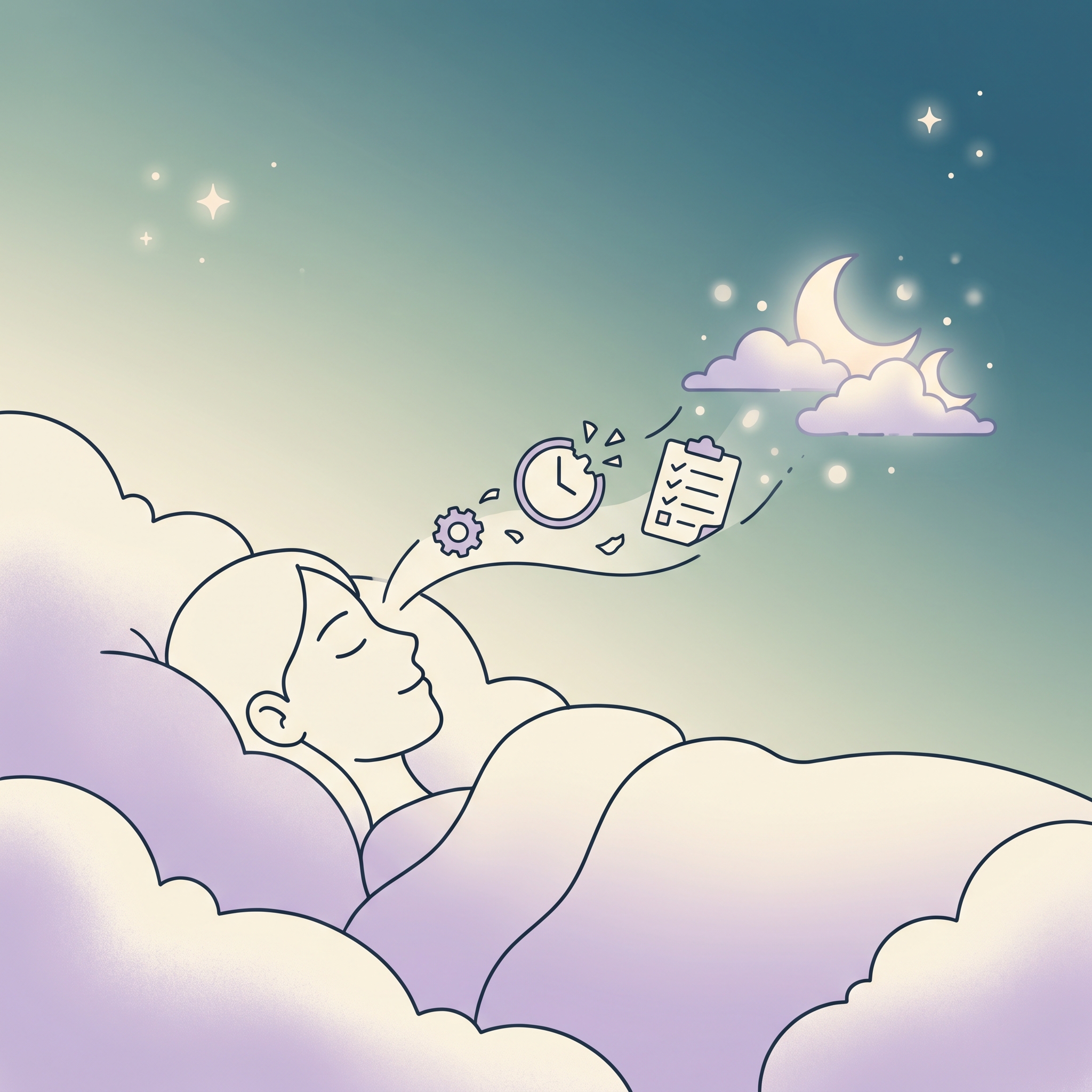
This sounds strange, but sleep isn’t something you can force.
Lying in bed thinking:
“I HAVE TO FALL ASLEEP RIGHT NOW!”
usually isn’t relaxing.
If insomnia becomes persistent, evidence-based treatments such as cognitive behavioral therapy for insomnia (CBT-I) are worth discussing with a healthcare professional.
The answer to chronic insomnia isn’t necessarily trying harder.
Sometimes it’s changing the behaviors and thought patterns that have become associated with sleep.
Everything Is Connected
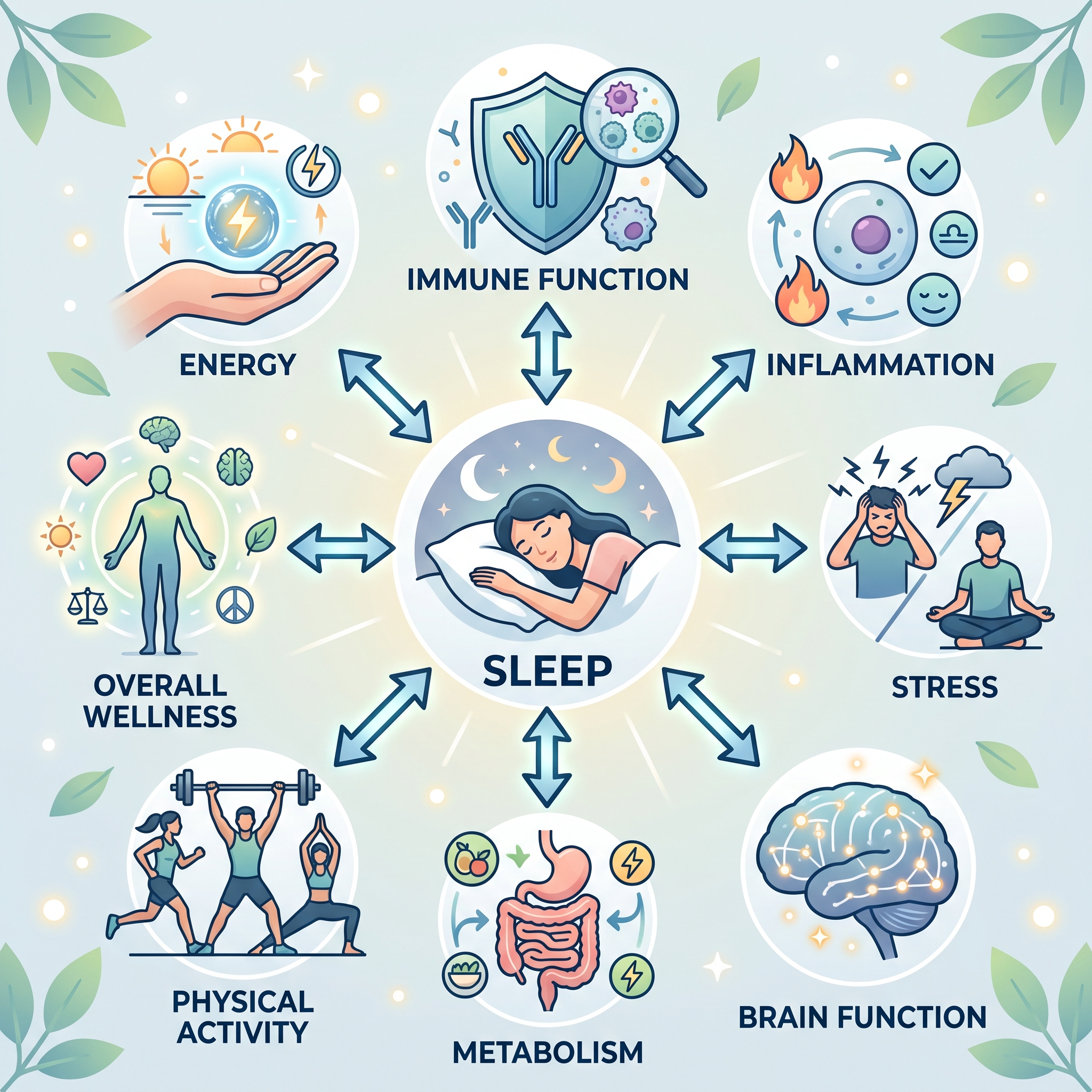
Look at how sleep connects with our first three Knowledge Guides:
- Sleep ↔ Energy
- Sleep ↔ Immune Function
- Sleep ↔ Inflammation
- Sleep ↔ Stress
- Sleep ↔ Brain Function
- Sleep ↔ Metabolism
- Sleep ↔ Physical Activity
- Sleep ↔ Overall Wellness
And those relationships aren’t all one-way.
Stress can disrupt sleep.
Poor sleep can increase stress.
Illness can disrupt sleep.
Sleep influences immune activity.
Movement can support sleep.
Better sleep can make movement easier.
This interconnectedness is precisely why foundational habits matter.
Sleep Myths vs. Facts
MYTH: Everyone needs exactly eight hours.
FACT: Sleep needs vary. For most adults, roughly seven to nine hours is a useful general range.
MYTH: If I’m in bed eight hours, I’m getting enough sleep.
FACT: Time in bed and actual sleep aren’t identical. Sleep quality and continuity matter.
MYTH: Snoring is harmless.
FACT: Occasional snoring can be benign, but loud habitual snoring—especially with witnessed breathing pauses, gasping, or significant daytime sleepiness—can be a sign of obstructive sleep apnea and deserves evaluation.
MYTH: Alcohol helps me sleep.
FACT: It may make you drowsy initially but can disrupt sleep quality later.
MYTH: I can permanently train myself to need very little sleep.
FACT: People differ in sleep need, but routinely restricting sleep below biological needs can impair health and performance even when someone feels accustomed to the schedule.
MYTH: Poor sleep is simply part of getting older.
FACT: Sleep patterns can change with age, but persistent insomnia, significant daytime sleepiness, or waking chronically exhausted shouldn’t automatically be dismissed as aging.
Seven Days to Better Sleep Awareness
We’re not promising perfect sleep in seven days.
We’re learning.
Day 1 — Observe
Write down when you go to bed, approximately when you fall asleep, when you wake, and how you feel in the morning.
Day 2 — Morning Light
Get outside during daylight.
Day 3 — Move
Add appropriate physical activity during the day.
Day 4 — Caffeine Check
Notice when you consume your final caffeine of the day. Consider moving it earlier.
Day 5 — Create a Landing Routine
Choose a 20-minute wind-down ritual.
Day 6 — Reduce Nighttime Light
Dim unnecessary lights and reduce bright-screen exposure near bedtime.
Day 7 — Look for Patterns
Ask:
When did I sleep best?
What disrupted me?
How did I feel the next morning?
Was stress different?
Did caffeine timing matter?
Was I active?
You can’t improve what you never notice.
Frequently Asked Questions
Why do I wake up at 3:00 a.m.?
Nighttime awakening has many possible causes, including normal brief awakenings, stress, environmental disturbances, pain, alcohol, medications, urinary symptoms, menopause-related symptoms, insomnia, and sleep disorders.
Persistent awakenings that impair daytime functioning deserve evaluation.
Is melatonin the answer?
Melatonin is a hormone involved in circadian timing and may be useful in certain circumstances, but it isn’t a universal treatment for every sleep problem. Dose, timing, product quality, medications, and the underlying cause of poor sleep matter.
Discuss persistent sleep problems and supplement use with an appropriate healthcare professional.
What if I sleep eight hours but still feel exhausted?
That’s worth paying attention to.
Possible explanations include fragmented sleep, sleep apnea, other sleep disorders, medical conditions, medications, depression, anemia, thyroid disease, and many others.
See WKC-003: Why Do So Many People Feel Tired All the Time?
Can exercise improve sleep?
Regular physical activity supports overall health and is associated with better sleep in many people. Timing and intensity may need to be individualized.
Should I nap?
Short naps can be helpful for some people. Long or late naps can make nighttime sleep more difficult for others.
Pay attention to how naps affect your nighttime sleep.
When Should You Talk With a Healthcare Professional?
Consider evaluation if you:
- Regularly struggle to fall or stay asleep
- Routinely wake exhausted despite adequate sleep opportunity
- Have significant daytime sleepiness
- Snore loudly
- Wake gasping or choking
- Have witnessed pauses in breathing
- Experience frequent morning headaches
- Have uncomfortable sensations or movements in your legs at night
- Fall asleep unintentionally during daytime activities
- Experience sleep problems that interfere with work, driving, relationships, or quality of life
Never drive when dangerously sleepy.
Sleepiness behind the wheel can be as serious a safety issue as other forms of impaired driving.
Pam’s Perspective
For many years, our culture almost celebrated not sleeping.
“I’ll sleep when I’m dead.”
“I only need four hours.”
“I’m too busy to sleep.”
But sleep isn’t laziness.
It’s biology.
One thing I’ve become increasingly aware of is how often people search for complicated solutions while overlooking the foundations.
We look for something to give us energy while sleeping five hours.
We look for ways to manage stress while never giving ourselves quiet time.
We want our bodies to perform beautifully while rarely allowing them to recover.
Wellness doesn’t have to start with something complicated.
Sometimes it starts tonight.
Turn things off.
Let the day end.
Give your body permission to rest.
And tomorrow, pay attention to how you feel.
Knowledge isn’t only about learning something new. Sometimes it’s finally respecting something we’ve known all along.
— Pam Keen, Founder, Regeneration Station
Key Takeaways
- Sleep is an active biological process—not wasted time.
- Most adults generally need about seven to nine hours.
- Quality, continuity, and timing matter as well as duration.
- Sleep interacts with immune function, inflammation, stress, energy, cognition, and metabolic health.
- Daytime habits influence nighttime sleep.
- Persistent poor sleep deserves investigation rather than endless self-treatment.
- Better sleep begins with awareness and consistent foundations.
Empowering Better Health Through Knowledge
Explore More Wellness Topics
Internal Links:
Read more about how sleep connects to other areas of your health in our
Complete Guide to Gut Health
and our
Complete Guide to Chronic Inflammation.
External Resource:
For more clinical research on healthy sleep habits and circadian rhythms, you can visit the trusted resources at the
National Sleep Foundation.
Topics & Tags: better sleep, sleep hygiene, circadian rhythm, insomnia tips, sleep and immune system, chronic fatigue, sleep apnea, Regeneration Station, wellness knowledge center.