
The Complete Guide to Gut Health: Why a Healthy Gut Matters More Than You Think
Empowering Better Health Through Knowledge
A Welcome from Pam
Welcome to The Wellness Knowledge Center.
My goal in creating this resource is simple: to help you better understand your body so you can make more informed choices about your health and wellness.
During my years as a Navy nurse and through my own personal wellness journey, I came to appreciate something that is easy to overlook: the body does not operate as a collection of completely separate parts. Digestion, nutrition, sleep, stress, immune function, movement, and our everyday habits interact in ways we are still learning to understand.
Gut health is a wonderful place to begin exploring those connections.
My hope is that this guide doesn’t simply tell you what to eat. I hope it helps you understand why caring for your digestive health can be an important part of caring for your whole body.
What You’ll Learn
In this guide, we’ll explore:
- What your digestive system actually does
- What scientists mean by the “gut microbiome”
- Why gut health and immune function are closely connected
- How your gut communicates with your brain
- The relationship between the microbiome and inflammation
- How digestion contributes to nutrient availability and energy
- How fiber, prebiotics, probiotics, and fermented foods differ
- How sleep, stress, hydration, movement, and diet influence digestive wellness
- Common gut-health myths
- Practical ways to begin supporting your gut today
Most importantly, you’ll discover a theme that we’ll return to throughout The Wellness Knowledge Center:
Everything Is Connected
Your digestive system doesn’t work in isolation.
It interacts with your immune system, nervous system, metabolism, hormones, circulatory system, and the foods and lifestyle choices that influence your overall health.
Let’s start with the basics.
1. Your Digestive System Does Much More Than Digest Food
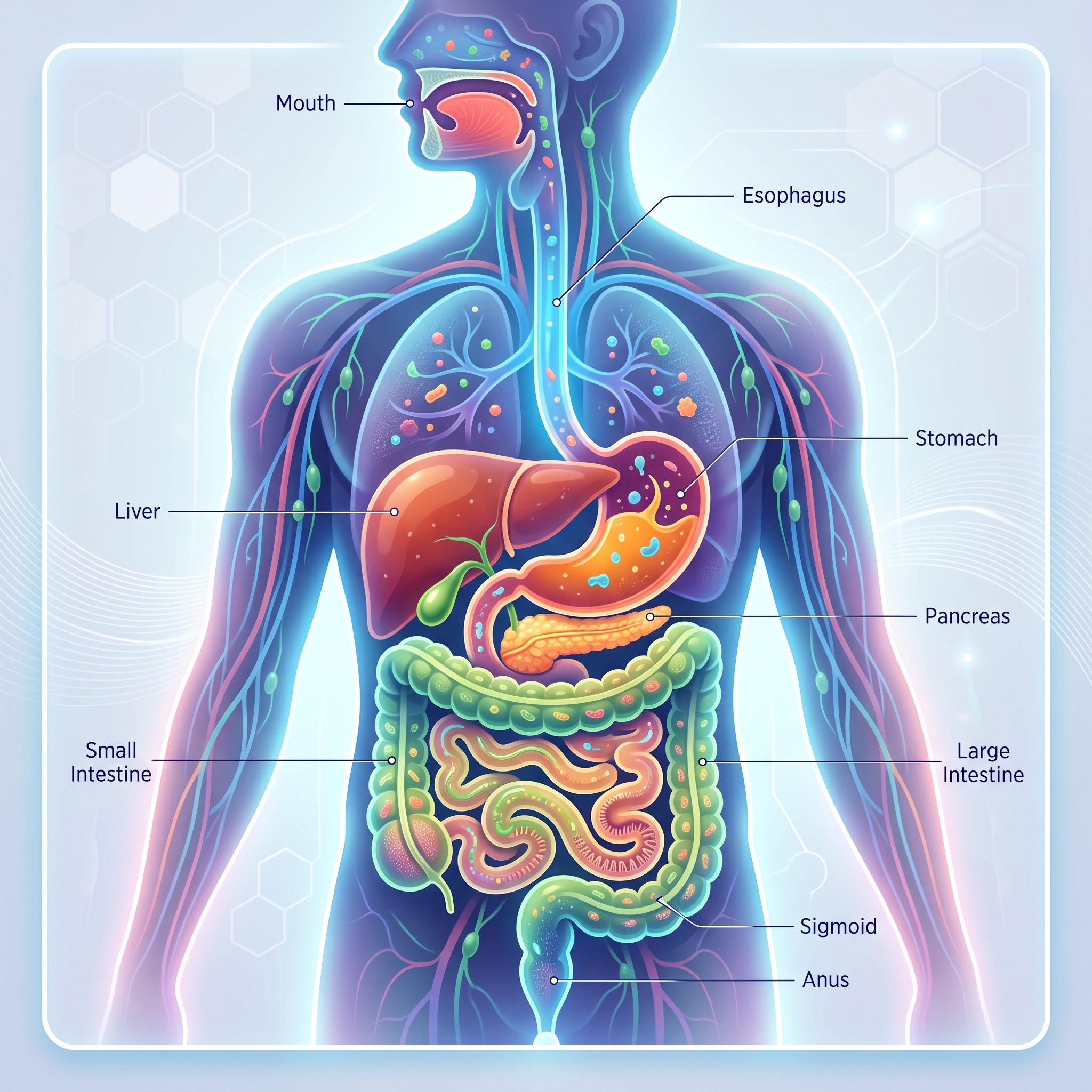
When most of us think about digestion, we think about our stomach.
But digestion involves an entire system.
Food travels through your mouth, esophagus, stomach, small intestine, and large intestine. Along the way, organs including your liver, pancreas, and gallbladder help your body break food into components it can absorb and use.
Proteins are broken into amino acids. Fats are broken into fatty acids and glycerol. Carbohydrates are broken into simpler sugars.
Vitamins, minerals, water, and these smaller nutrients can then be absorbed and used throughout your body.
Those nutrients provide raw materials your body needs for functions including:
- Energy production
- Growth
- Tissue maintenance and repair
- Enzyme production
- Hormone production
- Normal immune function
- Normal brain and nervous-system function
So when we talk about “gut health,” we’re talking about much more than whether you have an upset stomach.
We’re talking about one of the body’s major interfaces with the outside world.
2. Meet Your Gut Microbiome
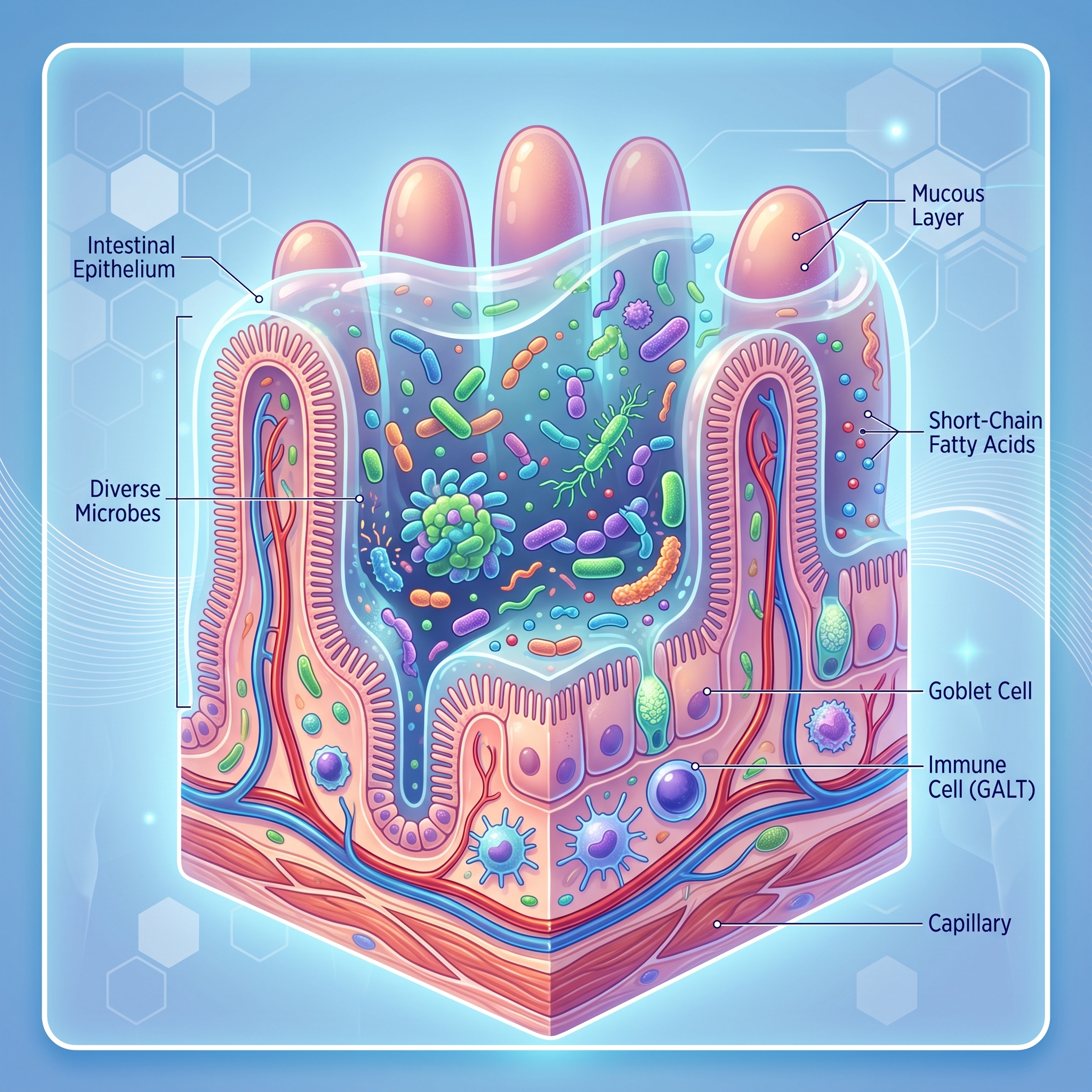
Your gastrointestinal tract contains an enormous community of microorganisms.
This community is commonly called the gut microbiota. The term microbiome is often used more broadly to describe these microorganisms along with their genes and surrounding environment.
These microorganisms include bacteria as well as viruses, fungi, archaea, and other microbes.
That might sound alarming at first.
We’ve spent generations thinking of bacteria as something we need to eliminate.
But many microorganisms normally living in and on the human body are not enemies. Some participate in processes that help us function.
Gut microbes can help:
- Break down components of food
- Interact with the intestinal lining
- Produce metabolites from dietary compounds
- Participate in vitamin production
- Interact with immune cells
- Influence the intestinal environment
One particularly interesting example involves dietary fiber.
Certain gut bacteria ferment fibers that our own digestive enzymes cannot fully break down. This process produces compounds called short-chain fatty acids, including butyrate, acetate, and propionate.
Scientists are actively studying how these compounds affect intestinal cells, metabolism, immune signaling, and other aspects of health.
There Isn’t One “Perfect” Microbiome
This is important.
You may see advertisements promising to create the “perfect microbiome” or claiming that one test can tell you exactly what your gut should contain.
The science isn’t that simple.
Microbiomes vary considerably between healthy individuals, and researchers are still learning what combinations of organisms and functions matter most.
Gut health is an ecosystem—not a single score.
3. The Gut and Your Immune System: An Important Partnership
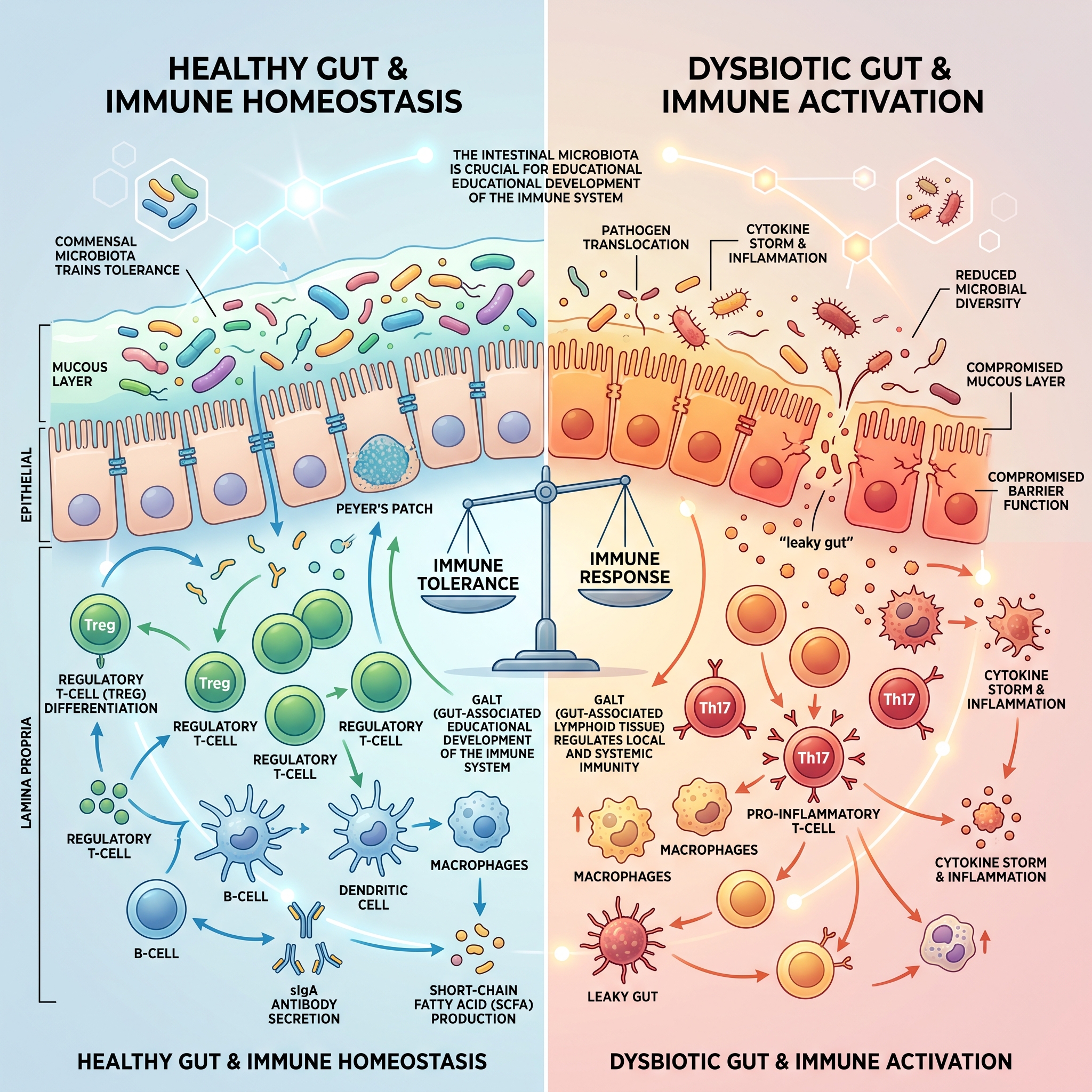
This may be one of the most important—and least appreciated—parts of gut health.
Your gastrointestinal tract is intimately connected with your immune system.
Think about what happens every day.
You eat food from the outside world.
You drink water.
You encounter microorganisms.
Your digestive tract has to allow useful nutrients through while helping maintain a barrier against potentially harmful organisms and substances.
That requires sophisticated communication between:
the intestinal lining + the microbiome + the immune system.
Your Intestinal Barrier
The cells lining your intestine form a selective barrier.
It isn’t supposed to be an impenetrable wall because nutrients need to cross it.
Instead, it’s a carefully regulated boundary.
The intestinal lining, mucus, immune cells, microbial community, and other defenses work together to maintain that boundary.
Your Microbiome Communicates With Your Immune System
Your immune system needs to accomplish something remarkable.
It must respond appropriately to genuine threats while tolerating food and the enormous population of microorganisms that normally live in your digestive tract.
Microbes and their metabolic products interact with immune cells and influence signaling within the intestinal environment.
Researchers are studying these relationships intensively because they appear to be important in maintaining normal immune balance.
Gut Health and Inflammation
Inflammation itself is not the enemy.
Acute inflammation is an essential part of the body’s normal defense and repair processes.
The problem occurs when inflammatory signaling becomes inappropriate or persistent.
The microbiome, intestinal barrier, diet, immune system, and inflammatory signaling interact in complex ways. Scientists are investigating how disruptions in those relationships may contribute to disease.
That does not mean every case of chronic inflammation begins in the gut.
It does mean that gut–immune interactions are important enough that they have become a major field of biomedical research.
The Big Idea
Your gut isn’t simply a tube through which food passes.
It’s an active biological environment where your food, microbes, intestinal cells, nervous system, and immune system interact continuously.
That’s one reason supporting digestive health can be an important part of supporting overall wellness.
4. The Gut-Brain Connection
Have you ever felt “butterflies” before an important event?
Lost your appetite when you were upset?
Experienced digestive changes during a stressful period?
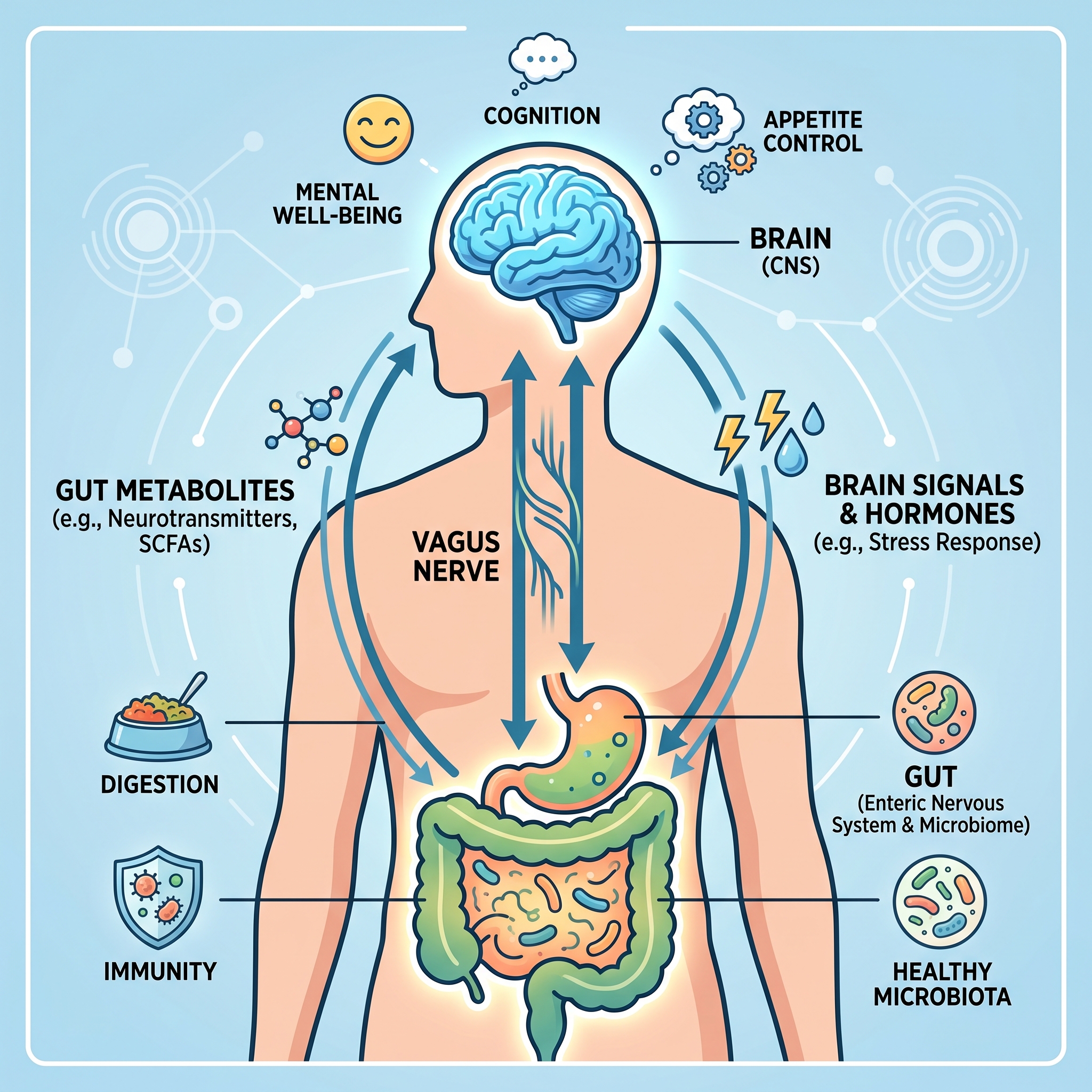
Those experiences illustrate something scientists now study extensively: communication between the digestive system and the brain.
It’s known as the gut-brain axis.
And the communication goes both directions.
Your Gut Talks to Your Brain—and Your Brain Talks Back
This communication involves several pathways, including:
- The enteric nervous system
- The autonomic nervous system
- The vagus nerve
- Hormonal signaling
- Immune signaling
- Circulating microbial metabolites
Your brain can influence intestinal movement, secretion, blood flow, and other digestive processes.
Signals originating in the gastrointestinal system can also reach the nervous system.
This is one reason stress can have very real digestive effects.
It isn’t “all in your head.”
The brain and digestive system are biologically connected.
What About Mood and Mental Health?
This is where we need to distinguish fascinating science from internet hype.
Research into the microbiome, mood, cognition, stress, and neurological health is expanding rapidly. Scientists have identified multiple plausible communication pathways and associations.
But many human studies still cannot prove that changing someone’s microbiome will directly treat a particular mental-health or neurological condition.
That’s an exciting area of research—not permission to claim that probiotics cure depression, anxiety, Alzheimer’s disease, or other conditions.
At The Wellness Knowledge Center, we’ll always try to distinguish what we know from what researchers are still investigating.
5. Gut Health, Nutrition and Energy
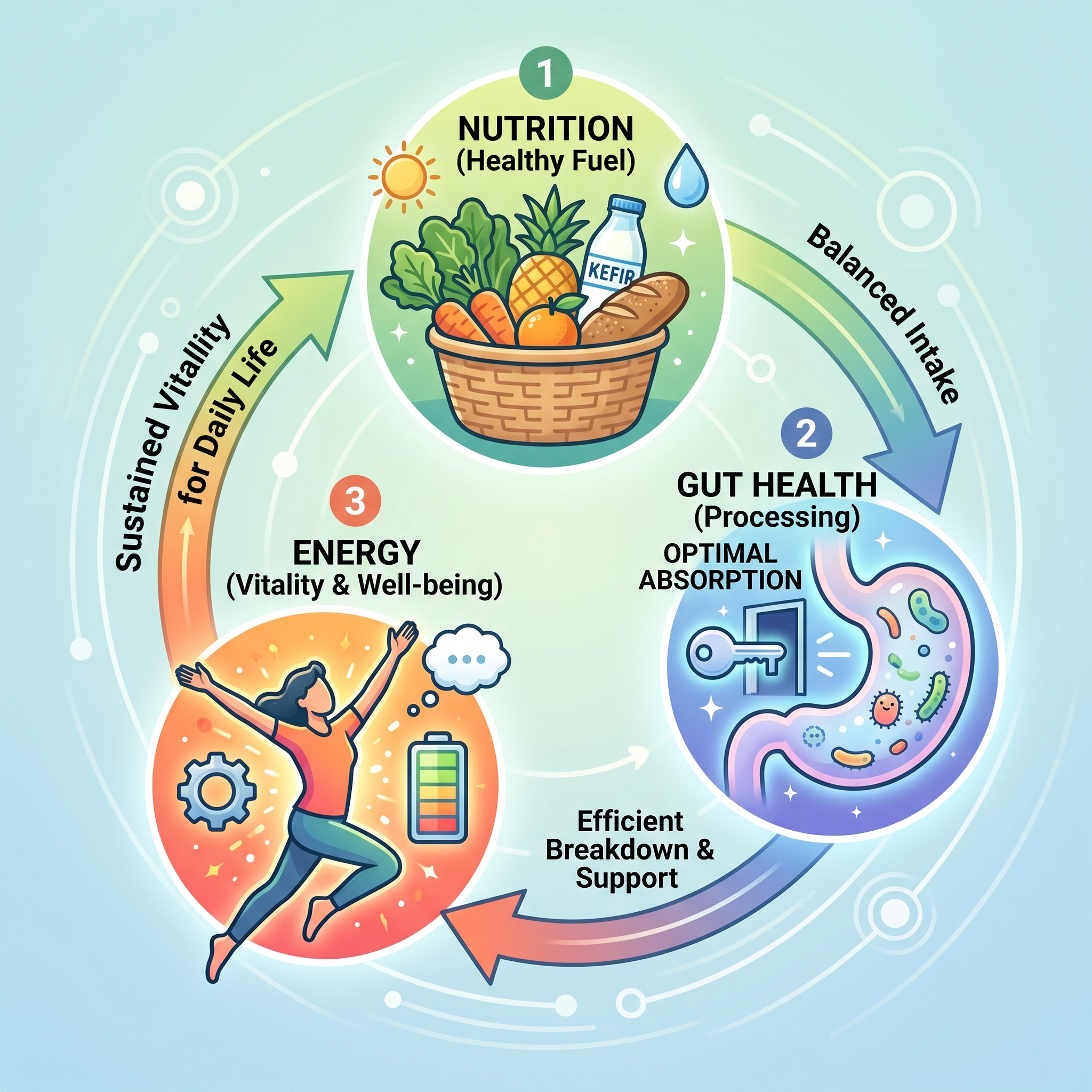
People sometimes hear that “poor gut health causes fatigue.”
That’s too simplistic.
Fatigue can have many causes, including sleep problems, anemia, thyroid disorders, infections, medication effects, nutritional deficiencies, depression, chronic disease, and many others.
But there is an important connection between digestion and energy:
Your body needs nutrients from food to function.
Your digestive system breaks food down and absorbs the components your cells need.
Carbohydrates, fats, proteins, vitamins, minerals, and water all participate in the processes that keep your body functioning.
So digestive health is part of the foundation that supports normal nutrition and energy metabolism.
We’ll explore energy much more deeply in another Knowledge Guide:
WKC-003: Why Do So Many People Feel Tired All the Time?
6. Signs Your Digestive System May Need Attention
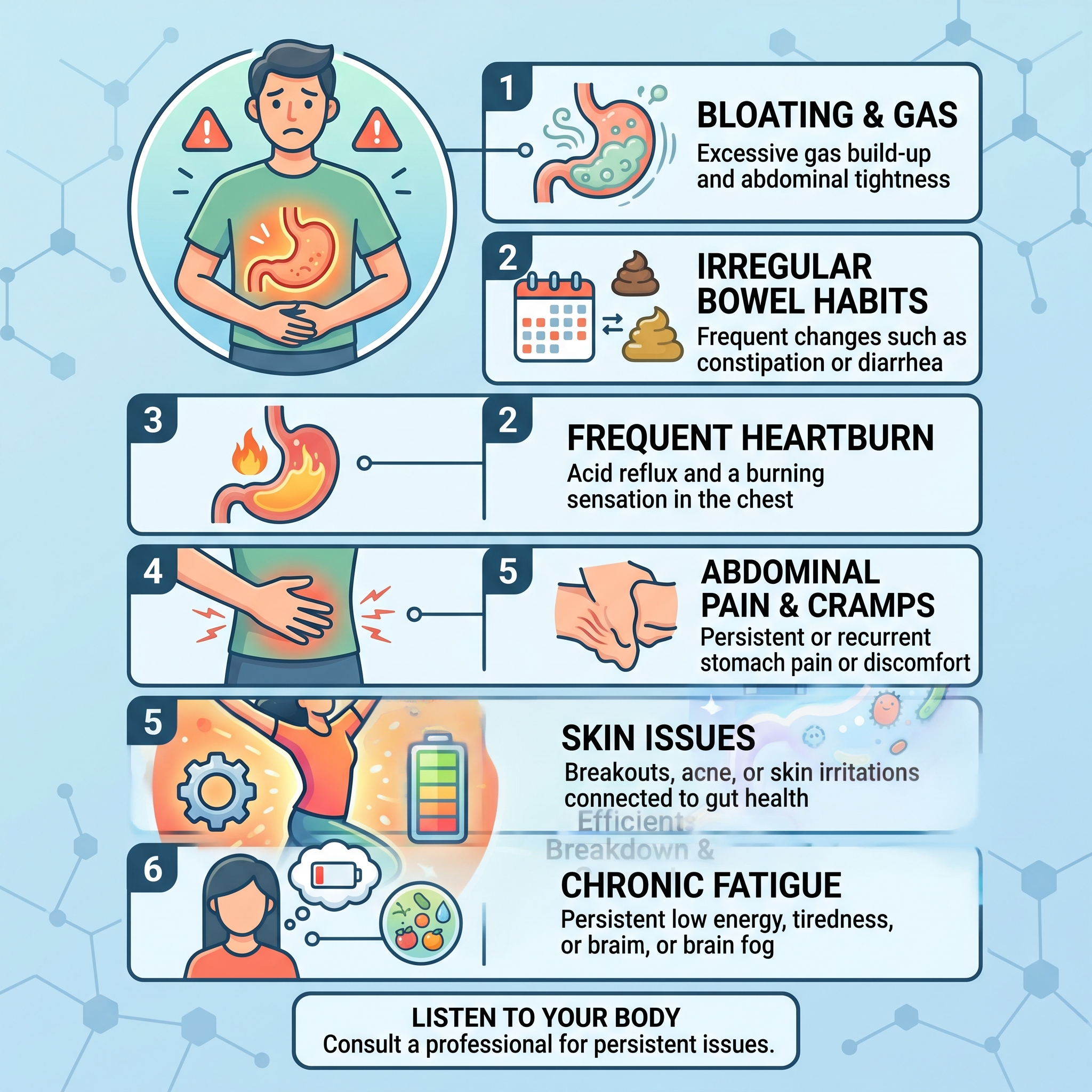
Occasional digestive changes happen to almost everyone.
Common digestive complaints can include:
- Bloating
- Gas
- Constipation
- Diarrhea
- Heartburn
- Indigestion
- Abdominal discomfort
- Feeling overly full after meals
These symptoms do not automatically mean that you have an “unhealthy microbiome.”
There are many possible causes.
That’s another place where online wellness information can become misleading. A list of vague symptoms cannot diagnose “gut imbalance.”
Persistent or concerning symptoms deserve proper medical evaluation.
We’ll discuss warning signs later in this guide.
7. Food: One of the Most Powerful Everyday Influences on the Gut
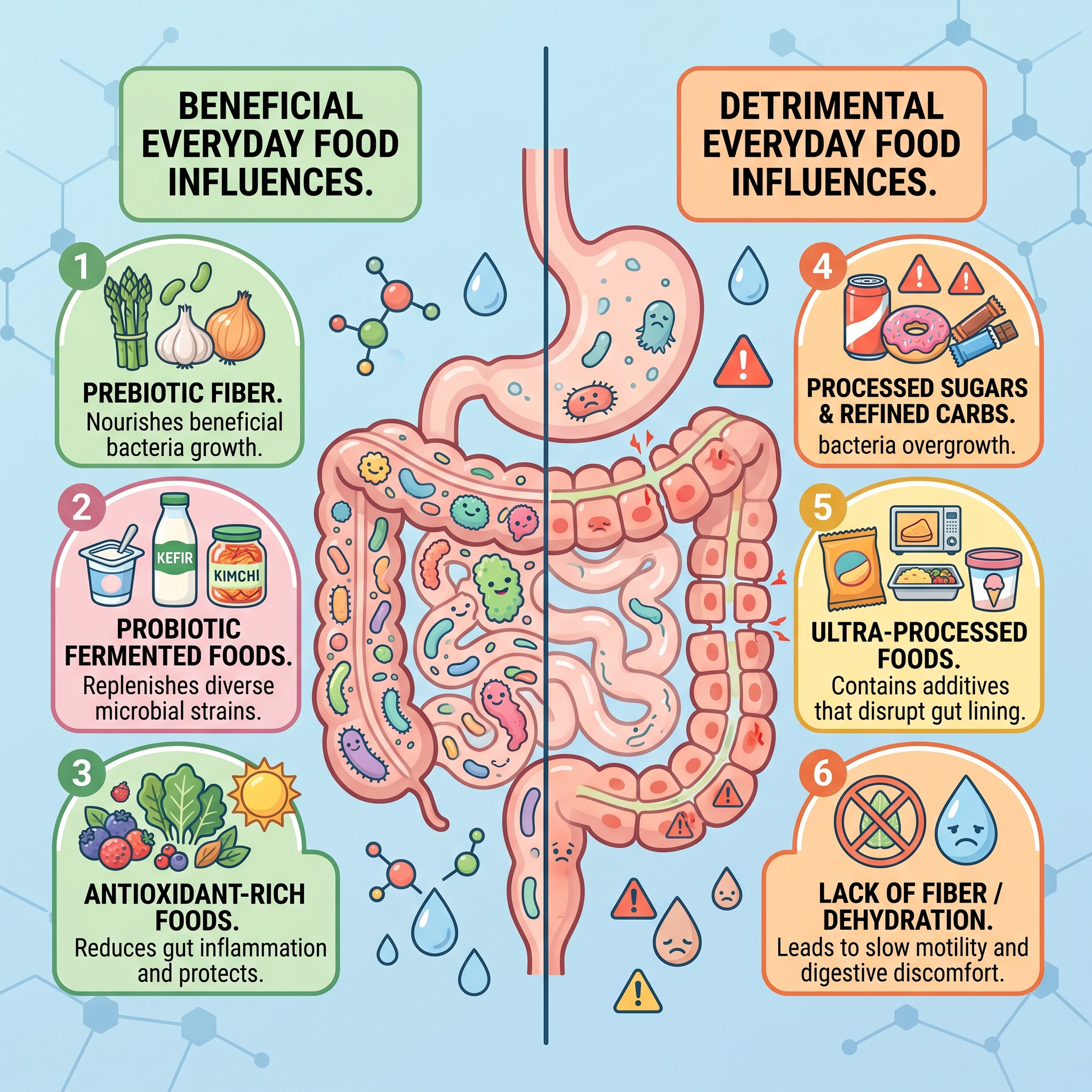
If you’re interested in gut health, it’s tempting to begin by purchasing supplements.
For many people, there’s a much simpler place to start:
food variety and fiber.
A varied diet built around minimally processed plant foods provides nutrients and many types of fibers and other compounds that interact with the gut microbiome.
Consider gradually incorporating a variety of:
- Vegetables
- Fruits
- Beans and lentils
- Whole grains
- Nuts
- Seeds
Rather than becoming obsessed with one “superfood,” think about variety over time.
Different plants provide different fibers and phytochemicals.
8. Fiber: Food for You—and Your Microbes
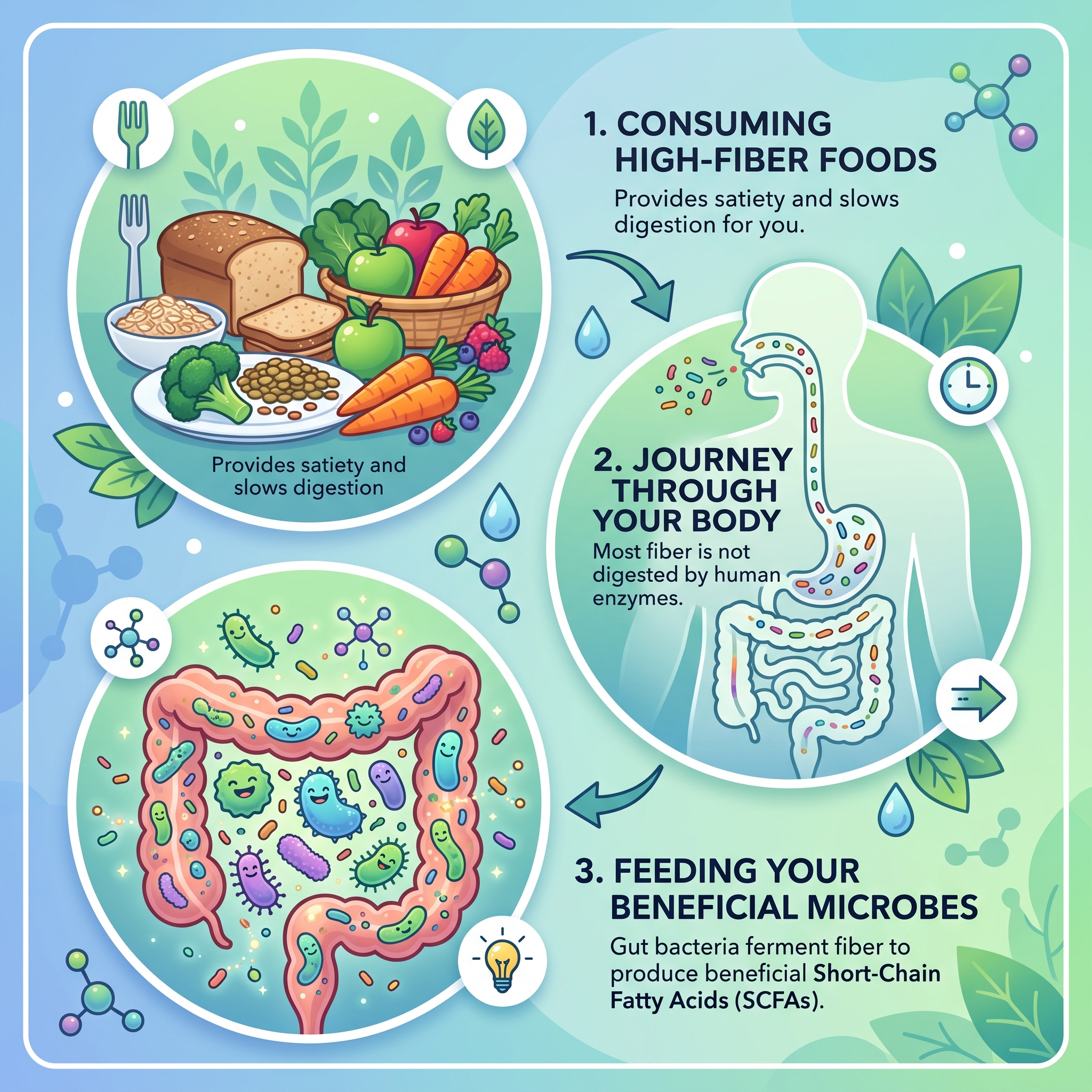
Fiber is a type of carbohydrate found in plant foods that isn’t completely broken down by human digestive enzymes.
Different fibers behave differently.
Some help add bulk to stool.
Some absorb water.
Some are fermented by intestinal bacteria.
And many foods contain combinations of different fiber types.
Good sources include:
- Beans
- Lentils
- Oats
- Barley
- Berries
- Apples
- Pears
- Vegetables
- Whole grains
- Nuts
- Seeds
Fiber doesn’t just matter for your microbiome. Adequate dietary fiber is associated with multiple aspects of health.
Rather than searching for an exotic gut-health supplement, increasing the diversity of fiber-rich whole foods may be one of the most practical places to begin.
9. Prebiotics, Probiotics and Fermented Foods: What’s the Difference?
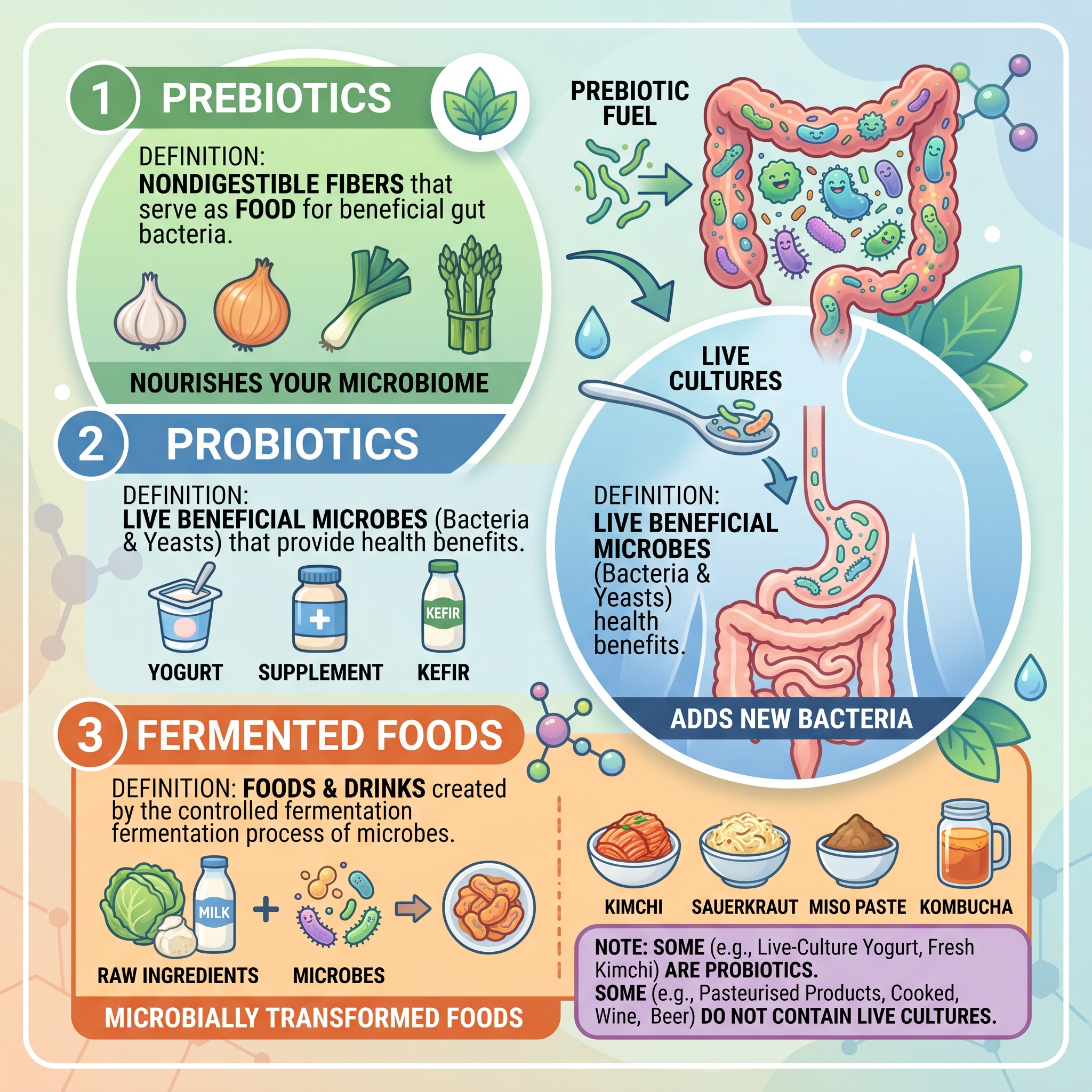
These terms are often used interchangeably, but they’re not the same thing.
Prebiotics
Prebiotics are substrates that are selectively used by microorganisms in ways that can provide a health benefit.
Certain fibers can act as prebiotics.
Foods commonly associated with prebiotic fibers include:
- Garlic
- Onion
- Leeks
- Asparagus
- Oats
- Legumes
- Some bananas
You don’t need to memorize a special prebiotic-food list.
Eating a varied, fiber-rich diet is a good foundation.
Probiotics
Probiotics are live microorganisms that, when administered in adequate amounts, can provide a health benefit.
But here’s something advertising often leaves out:
Different probiotic strains can have different effects.
A benefit demonstrated for one specific strain in one particular situation cannot automatically be attributed to every probiotic on the shelf.
Probiotics have been studied for a number of health conditions, but evidence varies considerably depending on the strain, dose, population, and purpose.
So “take a probiotic” isn’t universally good advice.
Fermented Foods
Fermentation has been used to prepare foods for thousands of years.
Examples can include:
- Yogurt containing live cultures
- Kefir
- Sauerkraut
- Kimchi
- Miso
- Tempeh
Not every fermented food necessarily contains live microbes by the time you eat it, and not every fermented food technically qualifies as a probiotic.
Still, fermented foods can be part of a varied diet for people who tolerate them.
10. Do You Need a Probiotic Supplement?
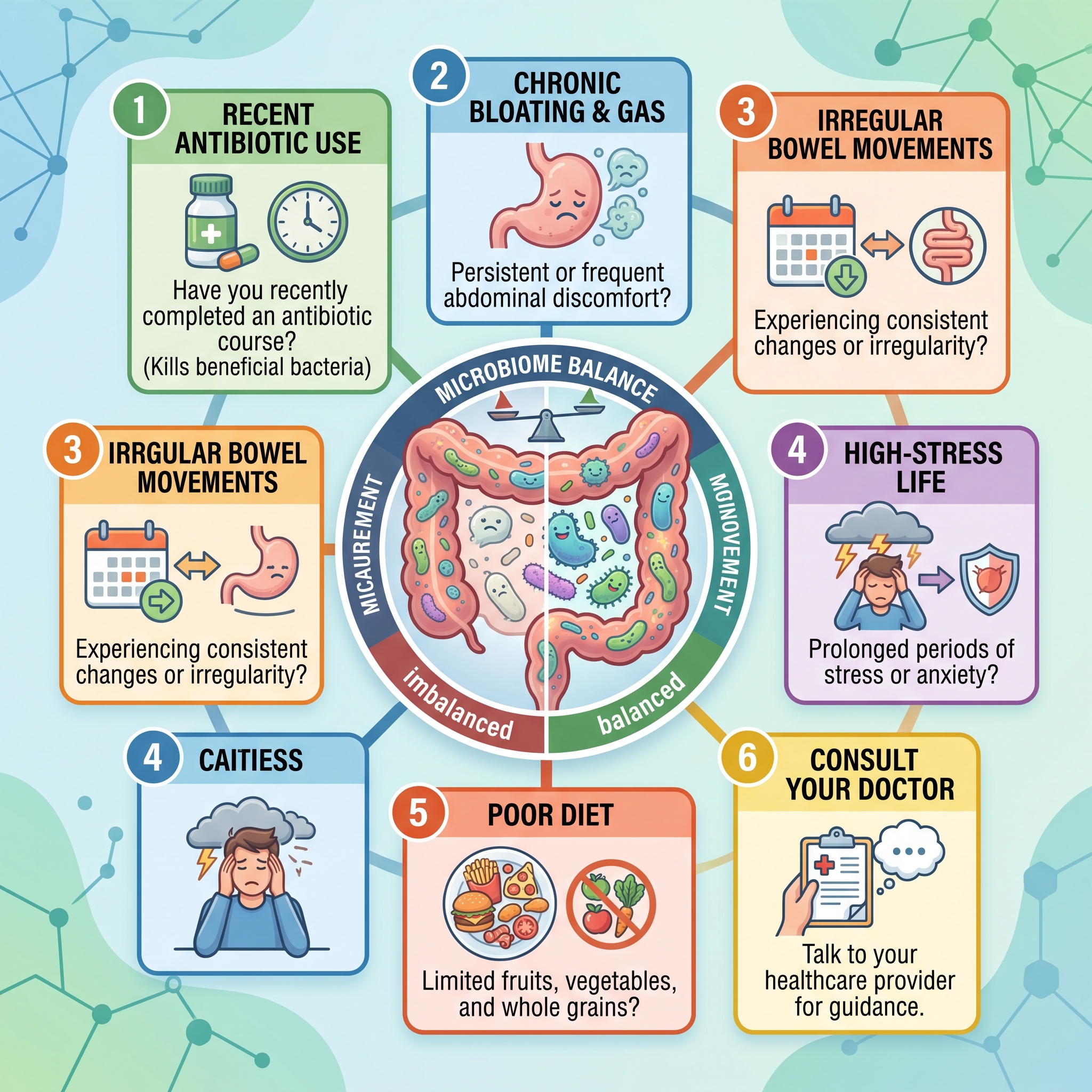
Maybe—but not simply because probiotics are popular.
For healthy people, probiotic products are often well tolerated, but the benefits are highly specific to the organism and situation being studied.
And supplements aren’t risk-free for everyone.
People who are seriously ill, immunocompromised, or otherwise medically vulnerable should discuss probiotics with a healthcare professional before using them.
Instead of asking:
“What’s the best probiotic?”
A better question may be:
“Why am I considering a probiotic, and what evidence supports a particular product or strain for that purpose?”
That’s knowledge empowering a better decision.
11. Stress and Your Gut
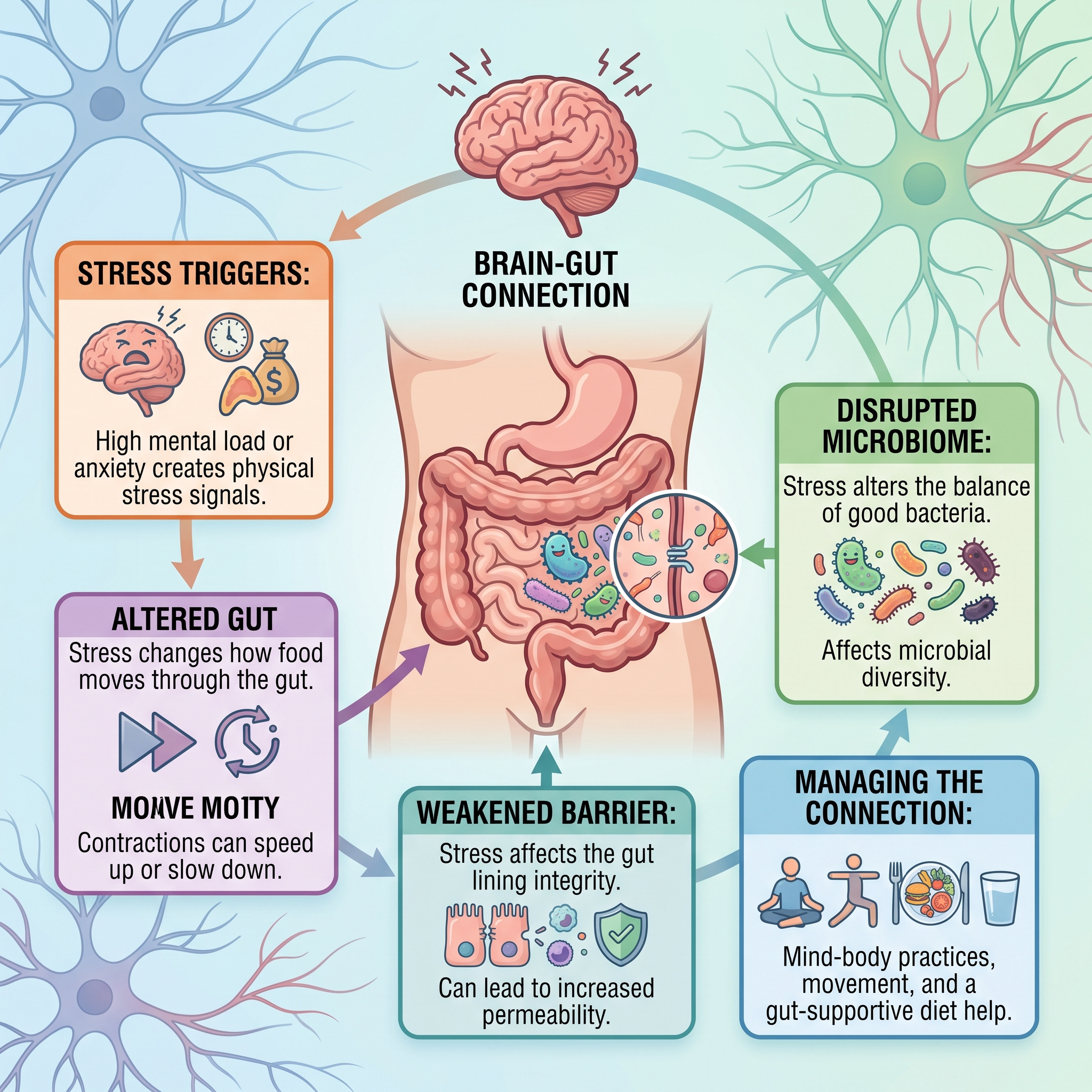
Stress isn’t merely an emotion.
Your stress response involves your nervous system, hormones, immune signaling, heart rate, breathing, muscle tension, and digestive function.
Because communication between the brain and gut runs both ways, chronic stress can influence:
- Appetite
- Gut motility
- Digestive sensations
- Bowel habits
For some people, stress is an obvious digestive trigger.
That doesn’t mean stress causes every digestive problem.
It means stress management belongs in a comprehensive conversation about digestive wellness.
Helpful practices might include:
- Slow breathing
- Walking
- Time outdoors
- Meditation or prayer
- Gentle exercise
- Relaxation practices
- Adequate sleep
- Meaningful social connection
Your digestive system doesn’t exist separately from the rest of your life.
12. Sleep and Gut Health
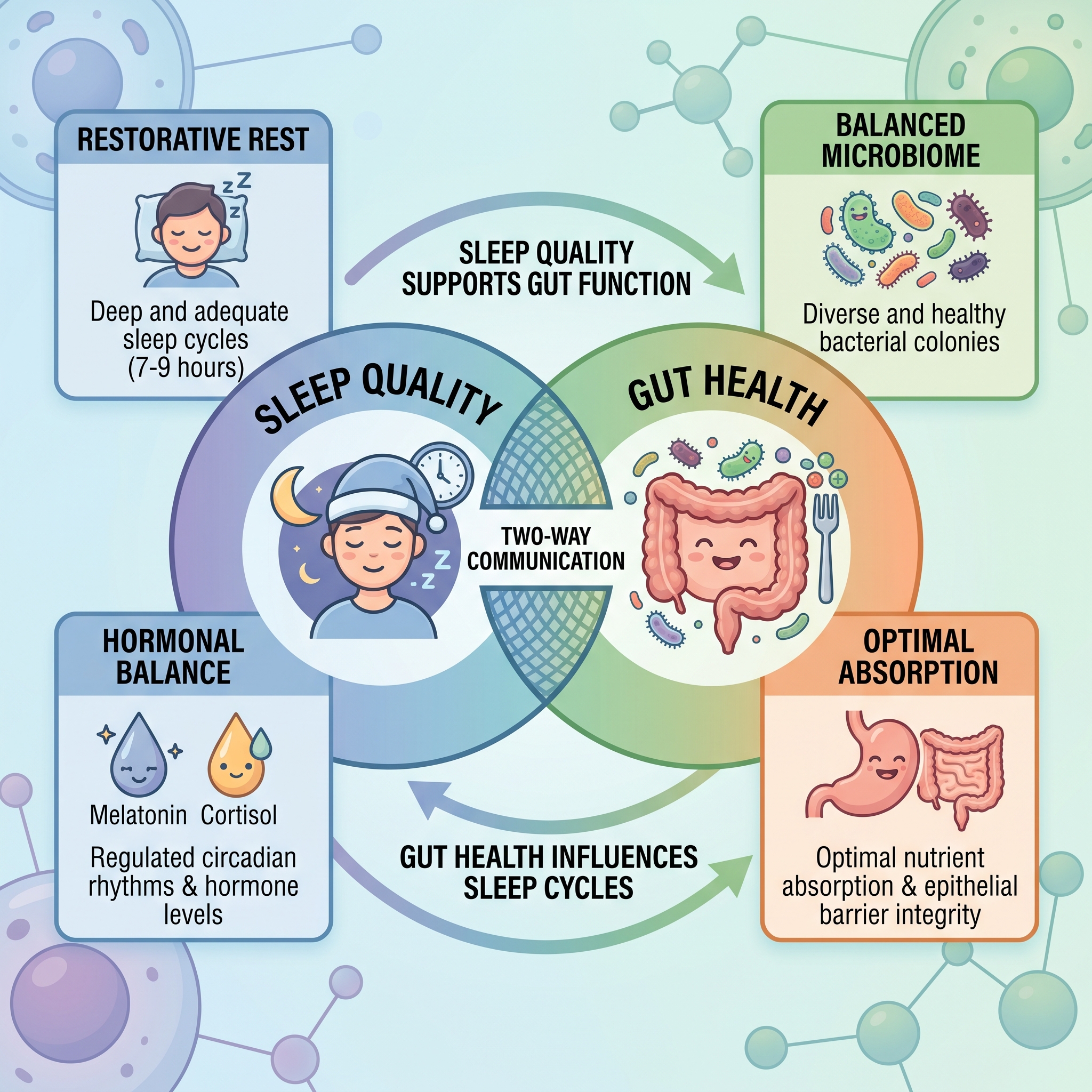
Sleep and the gut appear to have a bidirectional relationship as well.
Sleep affects hormonal, metabolic, nervous-system, and immune processes, while researchers are investigating relationships between sleep patterns and the microbiome.
We should be careful not to claim that changing the microbiome will “fix” poor sleep.
What we can say confidently is that adequate sleep is a fundamental component of overall health.
If you want to improve your gut health, don’t focus so heavily on food that you forget about sleep.
13. Movement Matters Too
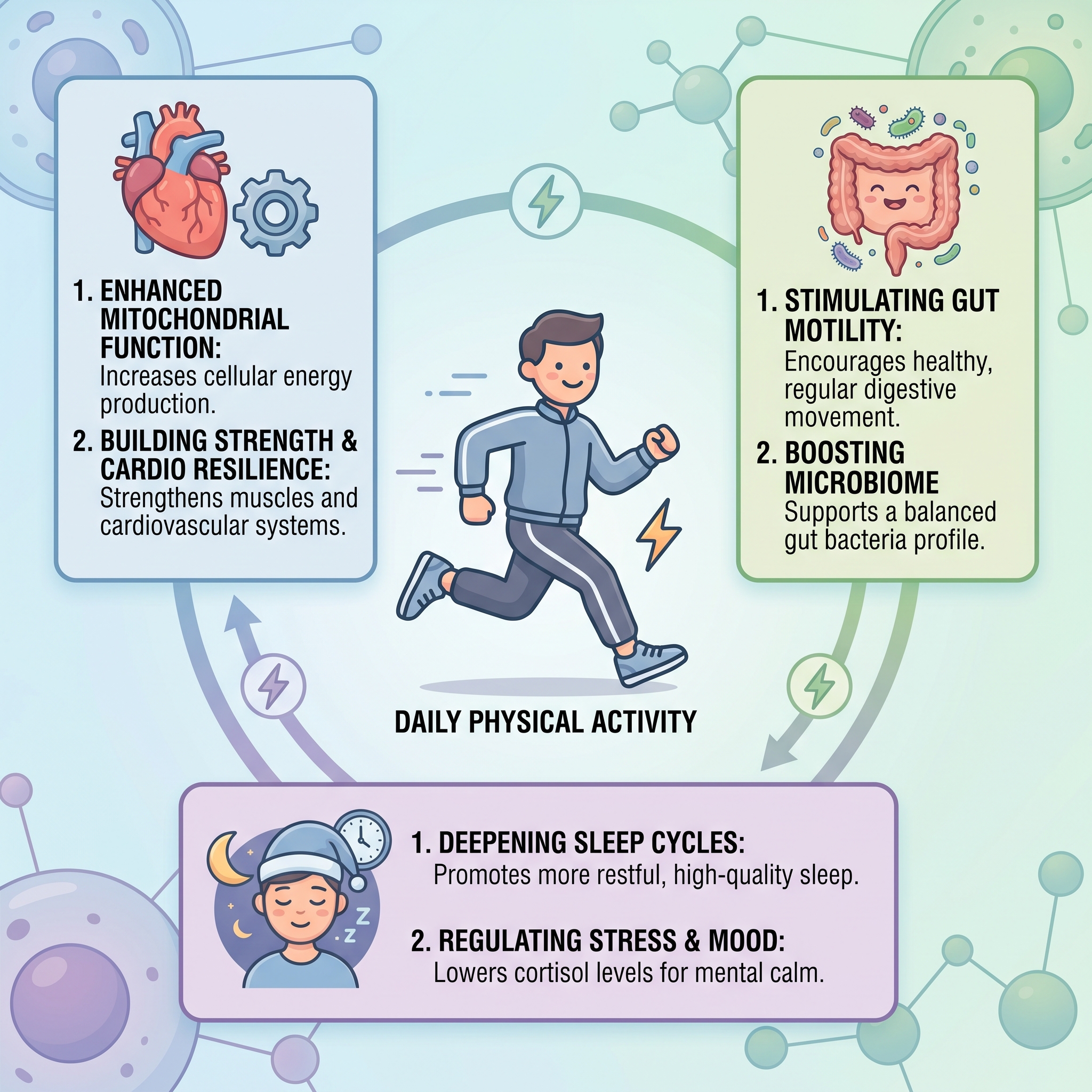
Regular physical activity benefits cardiovascular health, metabolic health, mental well-being, sleep, and many other aspects of health.
Research also suggests associations between physical activity and differences in the gut microbiome, although diet and many other factors make this relationship complex.
You don’t need an extreme exercise program.
- Walking counts.
- Gardening counts.
- Strength training counts.
- Swimming counts.
The best form of movement is often one you can perform safely and consistently.
14. Hydration and Digestion
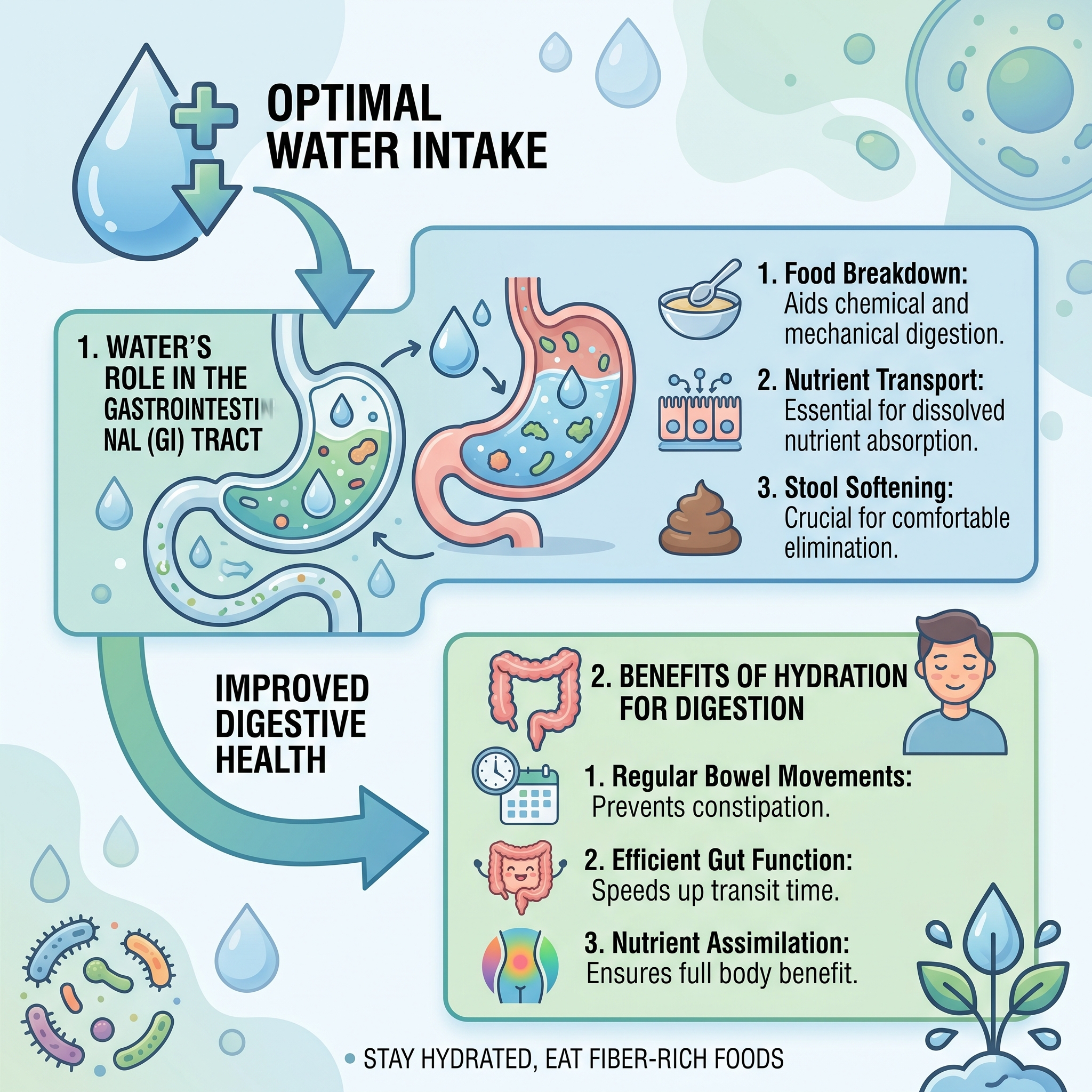
Water plays a role throughout digestion and normal body function.
Adequate fluids are particularly important when increasing dietary fiber because fiber and fluid work together to support normal bowel function.
There’s no universal rule that every person must drink exactly eight glasses of water per day.
Fluid needs vary based on body size, activity, climate, diet, pregnancy, medications, and health conditions.
Pay attention to your individual needs and follow medical guidance if you have been advised to restrict fluids.
15. Everything Is Connected
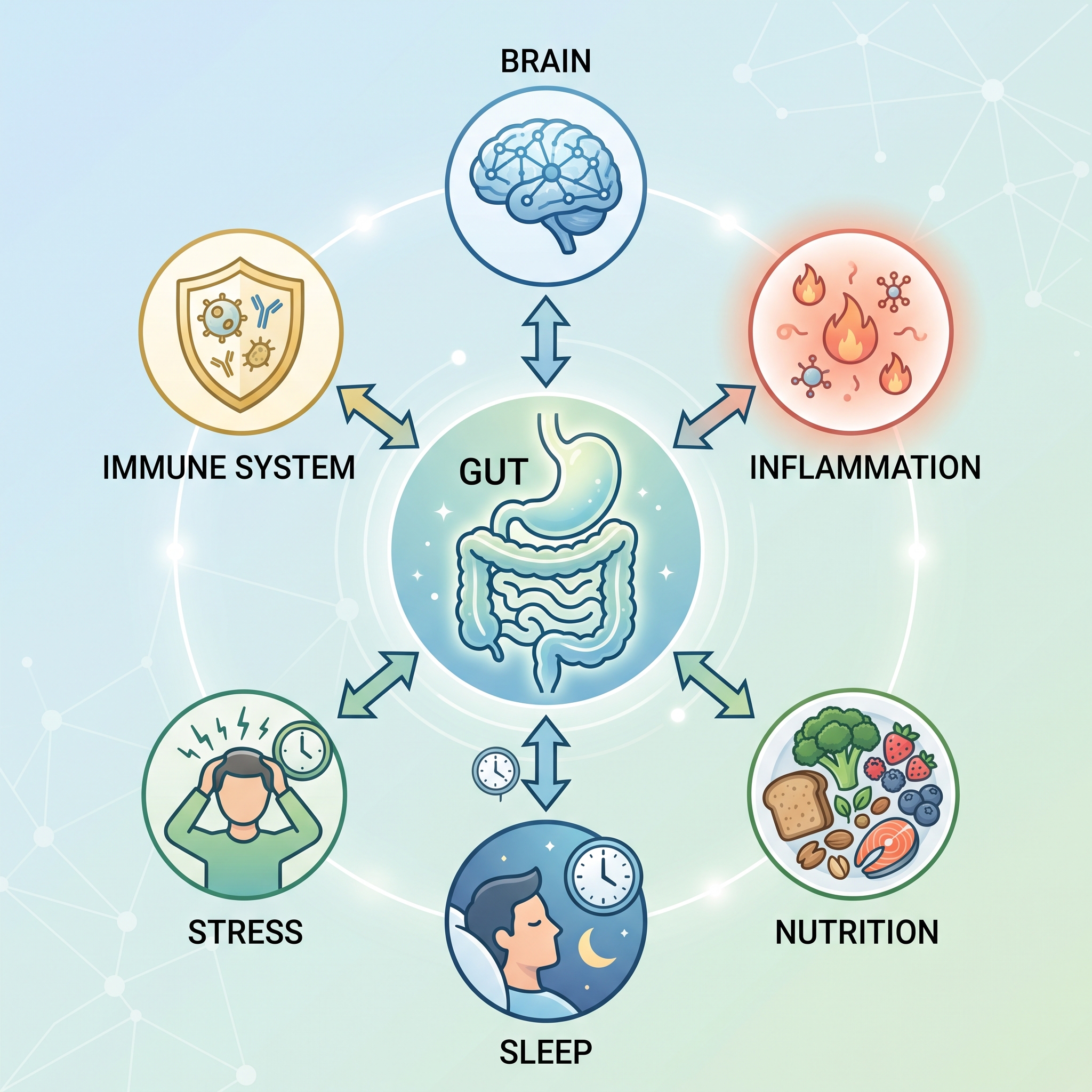
This is one of the central principles of The Wellness Knowledge Center.
Think of gut health as one piece of a larger network:
Gut ↔ Immune System
The intestinal barrier, microbiome, and immune system communicate continuously.
Gut ↔ Brain
Neural, hormonal, immune, and metabolic pathways allow two-way communication.
Gut ↔ Nutrition
Your digestive system breaks down food and absorbs nutrients your body needs.
Gut ↔ Inflammation
The microbiome, intestinal barrier, diet, and immune system participate in inflammatory regulation.
Gut ↔ Stress
The nervous system can influence digestion, while signals from the gastrointestinal tract travel in the other direction.
Gut ↔ Sleep
Sleep, metabolism, immune regulation, and digestive health