
The Complete Guide to Chronic Inflammation: What Your Body May Be Trying to Tell You
Empowering Better Health Through Knowledge
What You’ll Learn
Inflammation is one of the body’s most important protective mechanisms. Without it, we couldn’t properly respond to injury or infection.
But inflammation isn’t meant to remain fully activated indefinitely.
In this Knowledge Guide, you’ll learn:
- What inflammation actually is
- The difference between acute and chronic inflammation
- Why chronic inflammation can sometimes occur without obvious symptoms
- How inflammation relates to the immune system
- How gut health and inflammation are connected
- How sleep, stress, nutrition, movement, smoking, and other lifestyle factors can influence inflammatory processes
- Practical habits that support a healthy inflammatory response
- When symptoms deserve medical evaluation
First, Inflammation Isn’t the Enemy
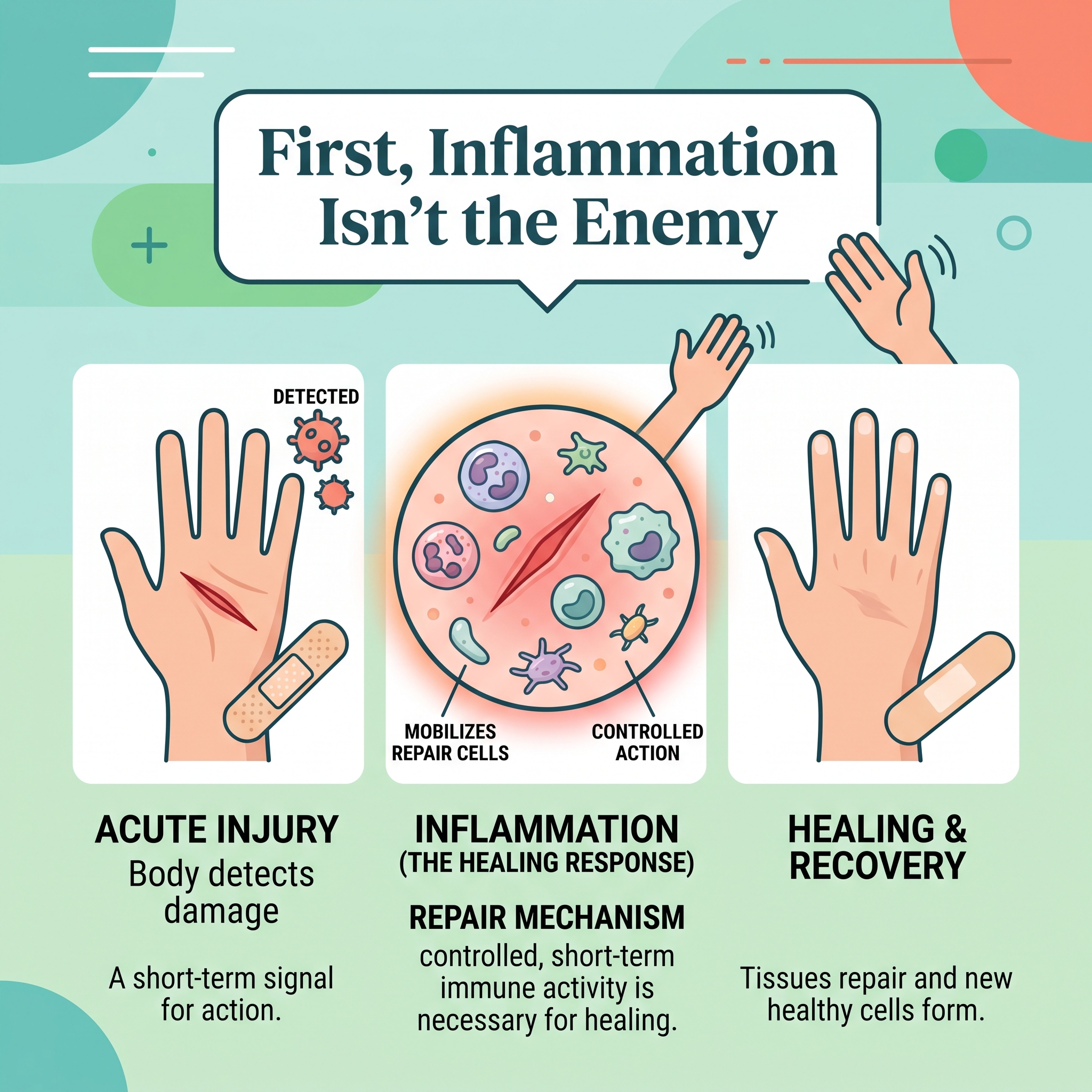
The word inflammation has developed a bad reputation.
But inflammation itself isn’t bad.
Imagine cutting your finger.
Within a short time, the area may become red, warm, swollen, and tender. That’s your immune system responding to an injury.
Immune cells and chemical messengers arrive at the damaged area, help protect it, remove damaged material, and participate in the repair process.
This is acute inflammation.
It’s a normal and essential part of healing.
The problem arises when inflammatory activity doesn’t resolve appropriately and persists for months or even years.
That’s chronic inflammation.
And unlike a swollen ankle or cut finger, chronic inflammation may not always announce itself with obvious outward signs.
Acute vs. Chronic Inflammation
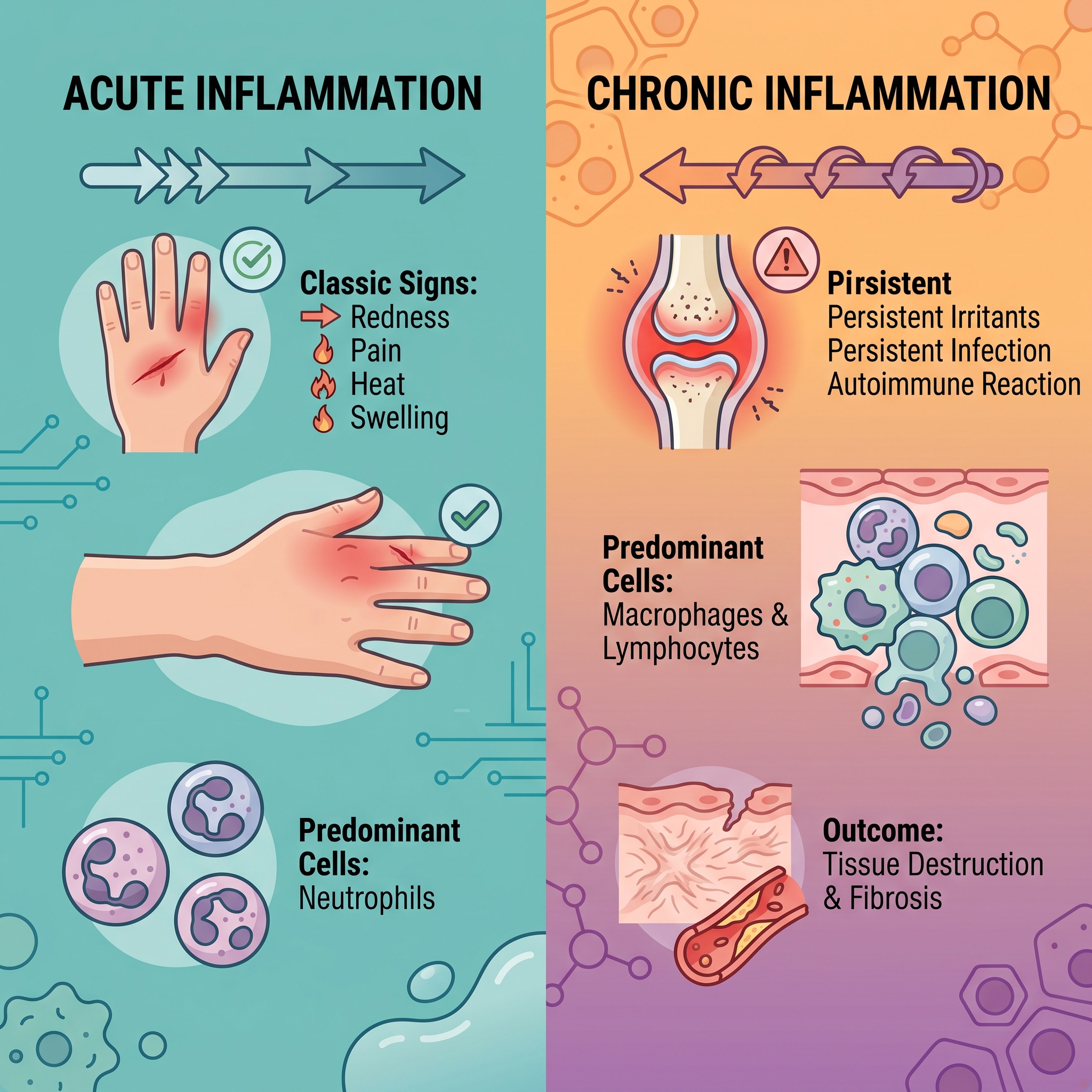
Understanding the difference is important.
[Image of acute versus chronic inflammation cellular response]
Acute Inflammation
Acute inflammation generally develops quickly in response to something such as:
- An injury
- Infection
- Burn
- Insect bite
- Allergic exposure
- Physical trauma
Common signs include:
- Redness
- Heat
- Swelling
- Pain
- Temporary loss of function
Once the immediate problem has been addressed, the inflammatory response normally subsides.
Chronic Inflammation
Chronic inflammation is different.
Instead of turning on temporarily and then resolving, inflammatory activity persists.
It can occur because of ongoing infection or exposure, autoimmune disease, or other health conditions. Lifestyle and environmental factors can also contribute to chronic low-grade systemic inflammation.
Long-term systemic inflammation has been associated with cardiovascular disease, type 2 diabetes, chronic kidney disease, some cancers, neurodegenerative disorders, and other chronic conditions.
That doesn’t mean inflammation is the sole cause of these diseases. Human health is much more complicated than that.
But chronic inflammation is increasingly recognized as an important piece of the puzzle.
Your Immune System and Inflammation
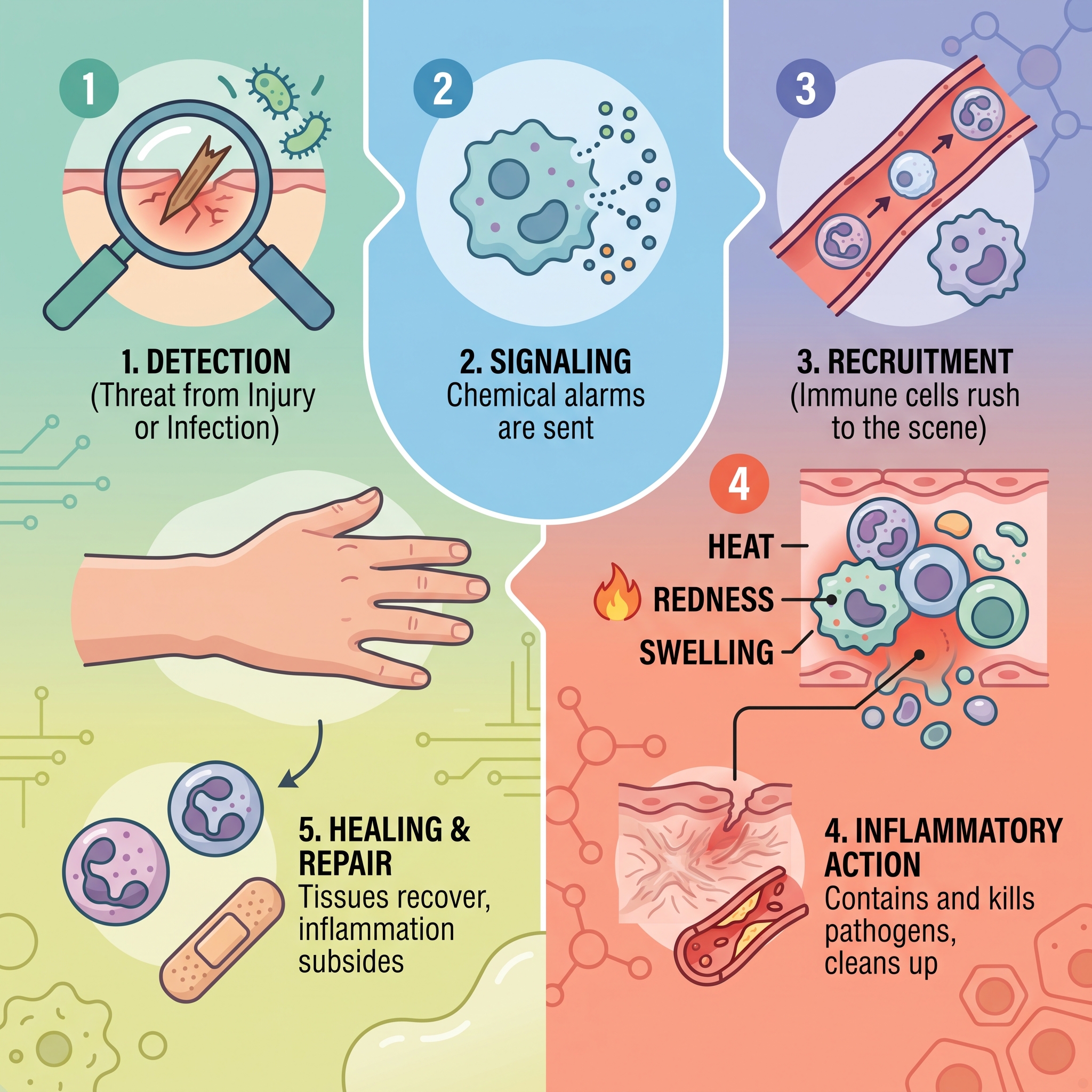
Your immune system is constantly performing an extraordinary balancing act.
It must respond strongly enough to protect you when something is wrong while also knowing when to stand down.
Inflammation is one of the tools it uses.
When immune cells detect injury or a potential threat, they communicate using signaling molecules, including proteins called cytokines.
Some cytokines promote inflammatory activity; others help regulate and resolve it.
Think of it like an emergency response system.
When there’s a fire, you want the fire department to arrive quickly.
But you don’t want fire trucks spraying water throughout your house every day after the fire is gone.
Healthy immune function requires both the ability to activate inflammation and the ability to resolve it.
Why Chronic Inflammation Matters
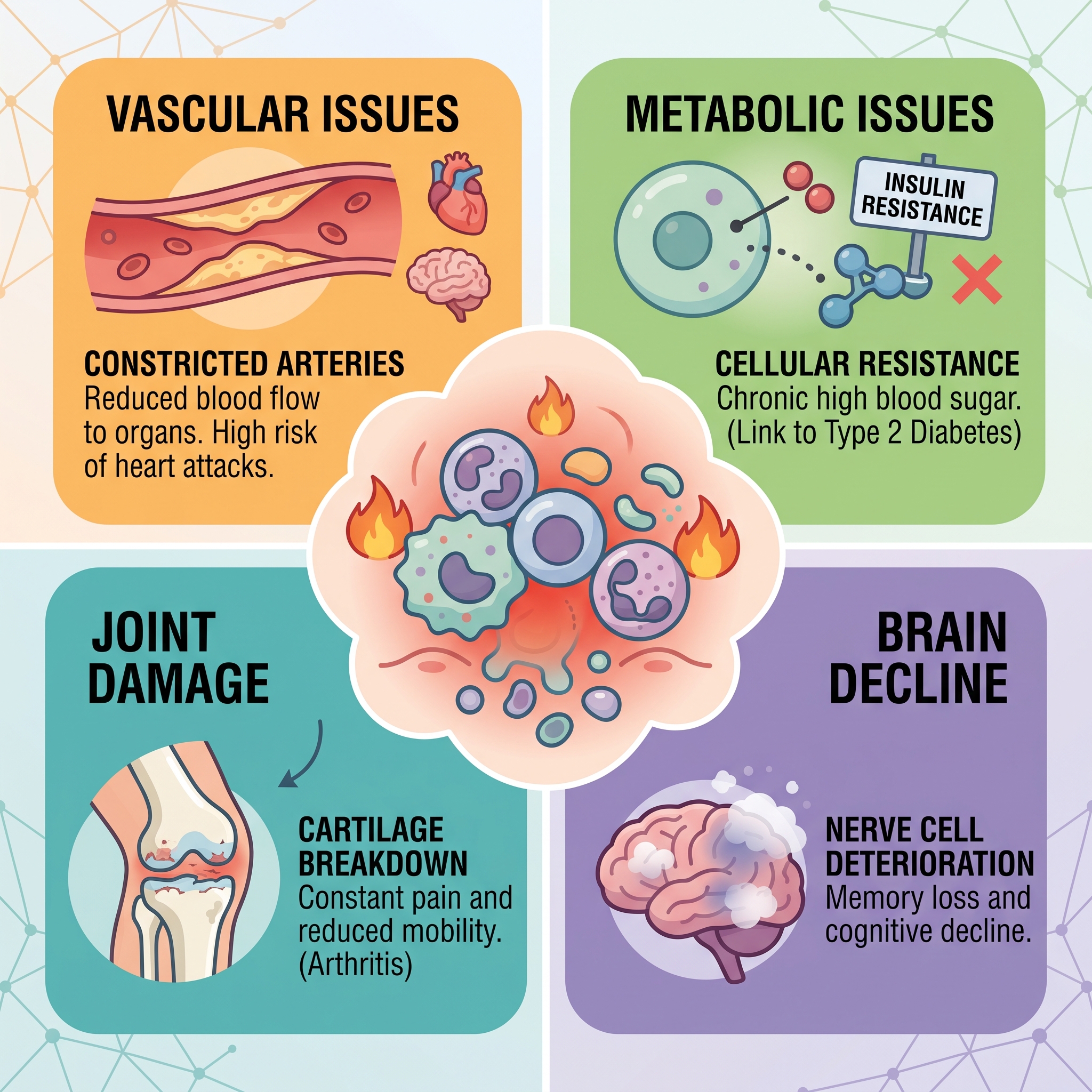
When inflammatory signaling continues unnecessarily or excessively, healthy tissues may eventually be affected.
Researchers have linked systemic chronic inflammation with a wide range of chronic diseases and with some processes associated with aging.
You may sometimes hear the term:
“Inflammaging”
This describes the low-grade chronic inflammatory state often associated with aging.
Aging itself involves changes in immune regulation, but lifestyle matters too.
Poor sleep, physical inactivity, smoking, excess body fat, certain dietary patterns, and chronic psychological stress can all influence inflammatory processes.
Aging therefore doesn’t mean that chronic inflammation is simply inevitable.
There are many things we can do to support overall health as we get older.
What Causes Chronic Inflammation?
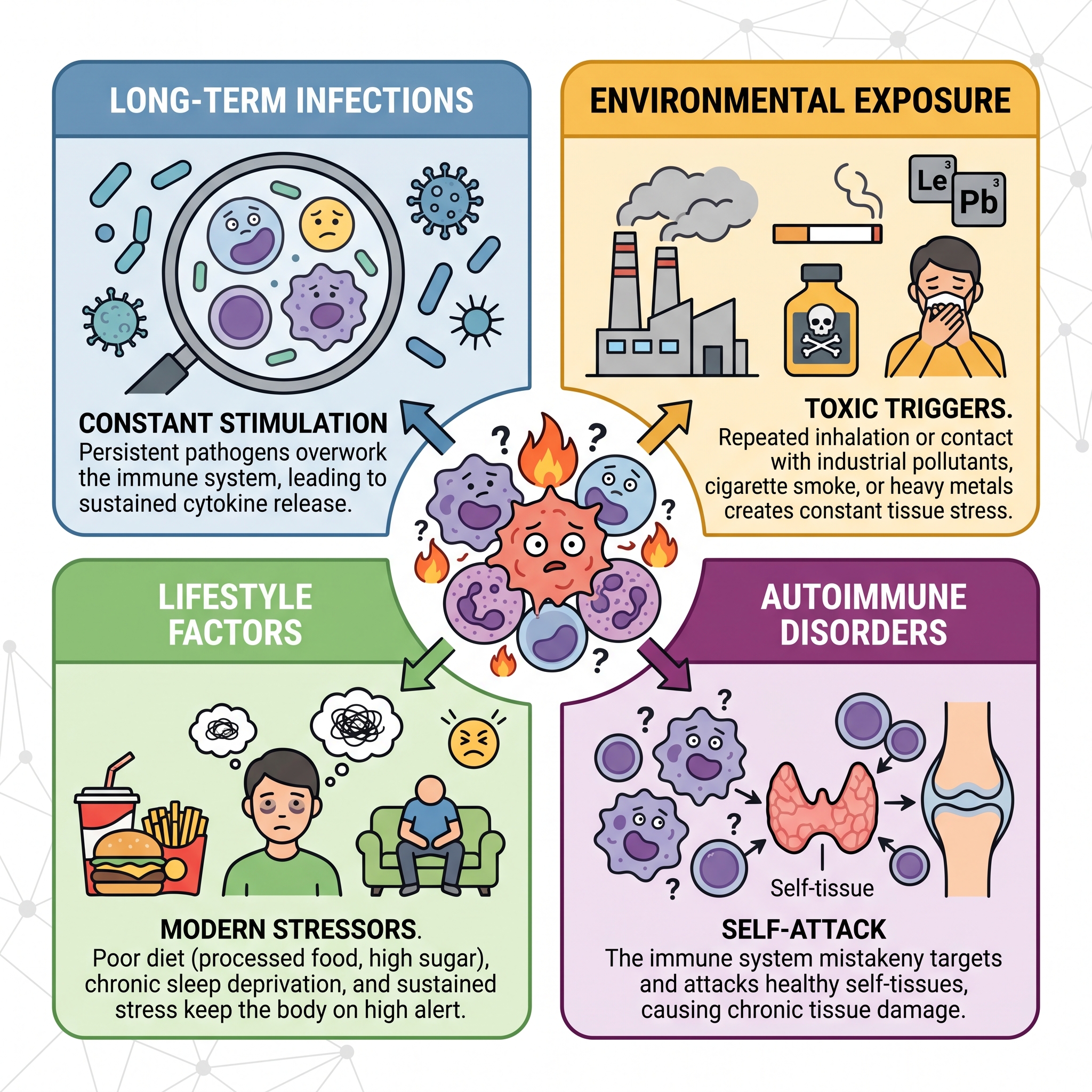
There isn’t one single cause.
Potential contributors include:
Persistent infections
Some infections can keep the immune system activated for long periods.
Autoimmune conditions
In autoimmune disease, the immune system mistakenly reacts against the body’s own tissues.
Smoking
Tobacco exposure promotes inflammatory activity and increases the risk of numerous chronic diseases.
Excess visceral body fat
Fat tissue isn’t simply stored energy. It is biologically active and can produce signaling molecules involved in inflammation.
Physical inactivity
Regular movement influences metabolism, cardiovascular health, immune regulation, and inflammatory signaling.
Poor-quality dietary patterns
A dietary pattern dominated by ultra-processed foods, refined carbohydrates, processed meats, and sugar-sweetened beverages is associated with poorer metabolic health and increased inflammatory activity.
Inadequate sleep
Poor or insufficient sleep has been associated with higher levels of several inflammatory markers.
Chronic stress
Repeated activation of the body’s stress response can affect immune regulation and inflammatory signaling.
Environmental exposures
Air pollution and certain occupational or environmental exposures can also provoke inflammatory responses.
Usually, it’s more useful to think about the total pattern rather than searching for one culprit.
Can You Feel Chronic Inflammation?
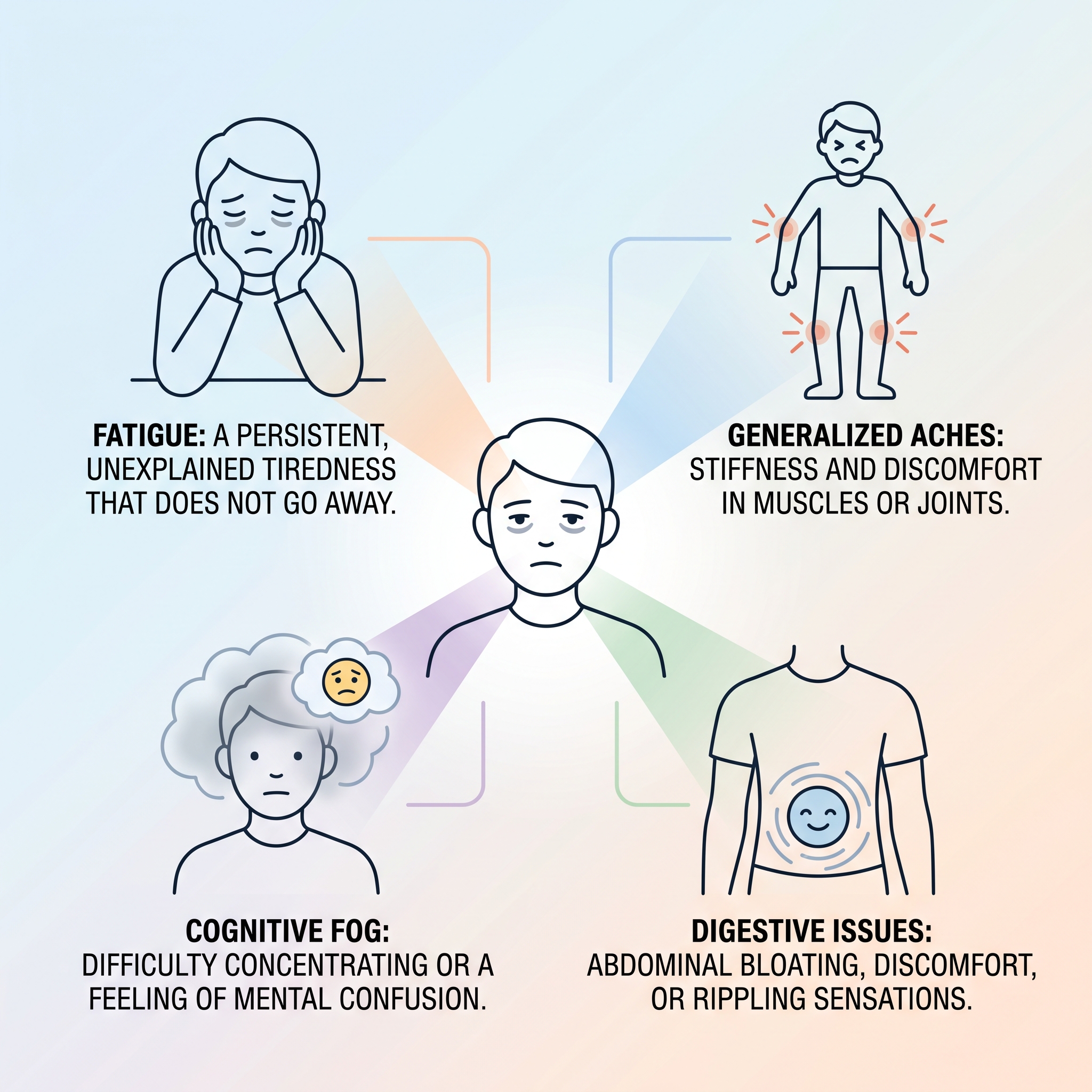
This is where the subject gets tricky.
Sometimes chronic inflammation occurs in the context of a diagnosed condition with recognizable symptoms.
Other times, low-grade systemic inflammation can be relatively subtle.
People sometimes associate symptoms such as fatigue, aches, digestive changes, sleep problems, or difficulty concentrating with “inflammation.”
However, these symptoms are not specific to inflammation.
Fatigue, for example, can have dozens of possible causes—from inadequate sleep and anemia to thyroid problems, medication effects, infection, depression, cardiovascular disease, or other conditions.
That’s why we don’t want to tell someone:
“You’re tired, so you must have inflammation.”
Instead, unexplained or persistent symptoms deserve proper evaluation.
Knowledge should help us ask better questions—not diagnose ourselves from a checklist.
Everything Is Connected
One of the central ideas behind The Wellness Knowledge Center is that body systems don’t operate independently.
Inflammation is an excellent example.
Inflammation ↔ Gut Health
The intestinal lining, gut microbiome, and immune system constantly interact. Changes in the microbiome and intestinal environment are being studied for their relationship with immune regulation and inflammatory processes. This is one reason our first Knowledge Guide focused on gut health. What happens in the digestive system doesn’t necessarily stay in the digestive system.
Inflammation ↔ Immune System
Inflammation is fundamentally part of immune function. A healthy immune response isn’t simply “strong.” It is appropriately regulated—capable of responding when necessary and resolving when the threat has passed.
Inflammation ↔ Sleep
Sleep and immunity influence one another. Insufficient or disrupted sleep has been associated with increased levels of inflammatory markers. That makes sleep much more than downtime. It’s part of maintaining physiological balance.
Inflammation ↔ Stress
Short-term stress is normal. Chronic stress is different. When the stress response remains repeatedly activated, hormonal and immune signaling can change. Over time, chronic psychological stress has been associated with increased inflammatory activity.
Inflammation ↔ Metabolic Health
Blood sugar regulation, insulin sensitivity, body composition, diet, activity, and inflammatory signaling are interconnected. This is another reason that focusing on only one wellness habit rarely tells the entire story.
Inflammation ↔ Aging
Chronic low-grade inflammation becomes more common with age and has been associated with multiple age-related conditions. But healthy aging isn’t determined by one pathway. Movement, nutrition, sleep, social connection, avoiding tobacco, stress management, preventive healthcare, and management of existing conditions all matter.
The Bigger Picture
Gut health. Sleep. Stress. Movement. Nutrition. Immune health. Metabolic health.
They aren’t separate conversations.
They’re parts of one remarkably interconnected human system.
Food and Inflammation: Skip the “Miracle Food” Mentality

Search online and you’ll find endless lists of “inflammatory” and “anti-inflammatory” foods.
Reality is more nuanced.
There isn’t one officially prescribed anti-inflammatory diet for everyone.
However, dietary patterns similar to the Mediterranean diet have substantial evidence supporting overall cardiovascular and metabolic health and are commonly recommended as an anti-inflammatory eating pattern.
Rather than obsessing over one superfood, concentrate on the overall pattern.
Eat More Often
Build meals around foods such as:
- Vegetables
- Fruit
- Beans and lentils
- Whole grains
- Nuts
- Seeds
- Olive oil and other unsaturated fats
- Fish, particularly oily fish
- Herbs and spices
These foods provide fiber, vitamins, minerals, unsaturated fats, and numerous plant compounds.
Don’t underestimate fiber.
Fiber supports digestive health and feeds certain beneficial gut microorganisms.
Those microbes can produce compounds such as short-chain fatty acids that interact with intestinal and immune cells.
That’s another important bridge between our Gut Health and Inflammation Knowledge Guides.
What Should We Eat Less Often?
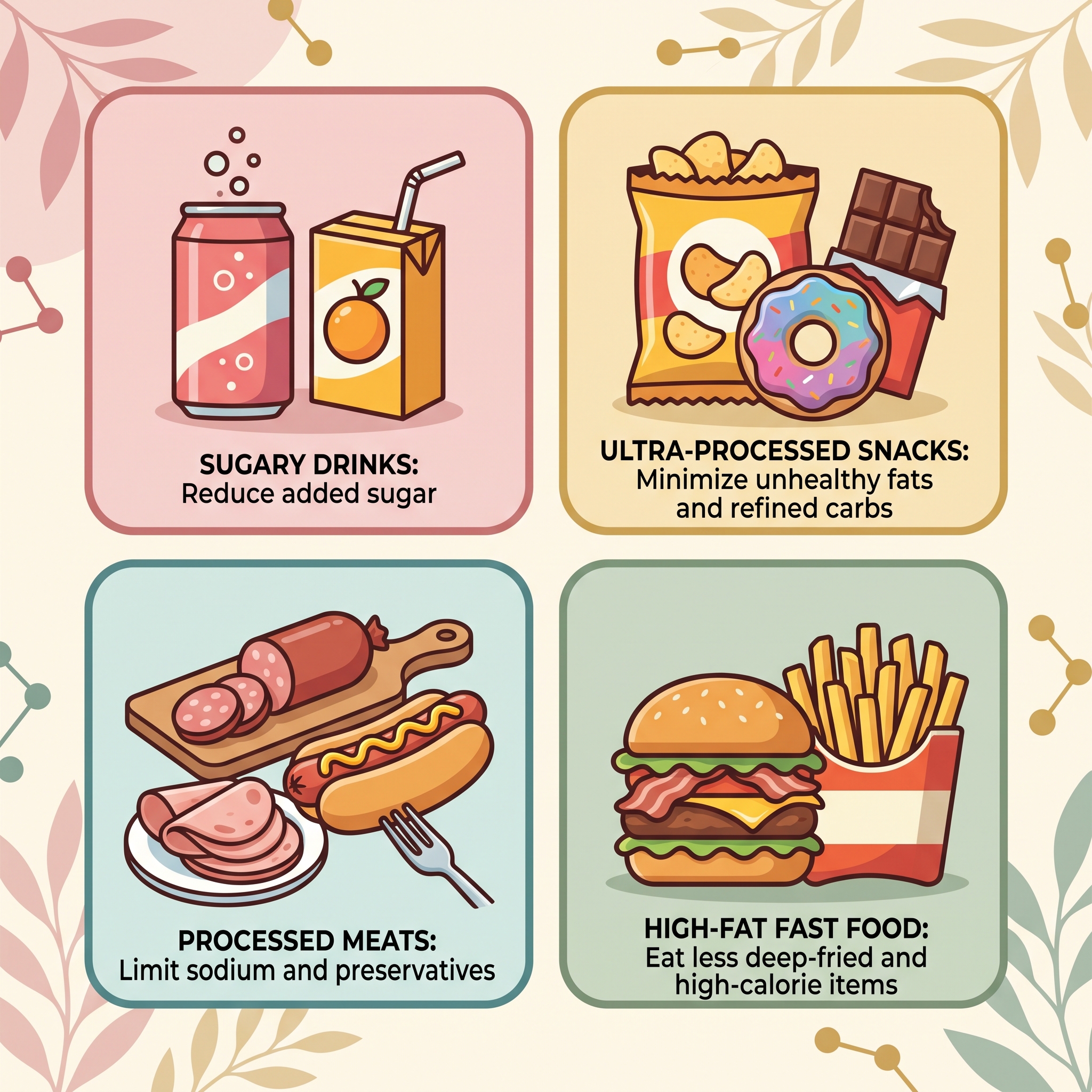
A healthy diet doesn’t require perfection.
But consistently eating large amounts of certain foods can work against metabolic and cardiovascular health.
Consider reducing:
- Sugar-sweetened beverages
- Highly refined carbohydrates
- Deep-fried foods
- Processed meats
- Many ultra-processed snack foods
- Excessive alcohol
Instead of thinking:
“I can never eat this again.”
Try thinking:
“What do I want most of my meals to look like?”
Long-term patterns matter far more than one birthday cake or restaurant meal.
Movement Is Powerful Medicine for Your Lifestyle

You don’t need to become a marathon runner.
Regular physical activity is associated with better cardiovascular and metabolic health and can help regulate inflammatory processes.
For most adults, public-health guidelines generally recommend at least 150 minutes of moderate-intensity aerobic activity each week, along with muscle-strengthening activity on two or more days.
But if you’re currently inactive, don’t let that number discourage you.
Start where you are.
Ten minutes counts.
Walking counts.
Gardening counts.
Swimming counts.
Dancing counts.
Strength training counts.
The best exercise program is often the one you’ll actually continue.
If you have significant medical conditions, symptoms with exertion, or have been inactive for a long time, talk with a healthcare professional about an appropriate starting point.
Sleep: The Wellness Tool We Often Ignore
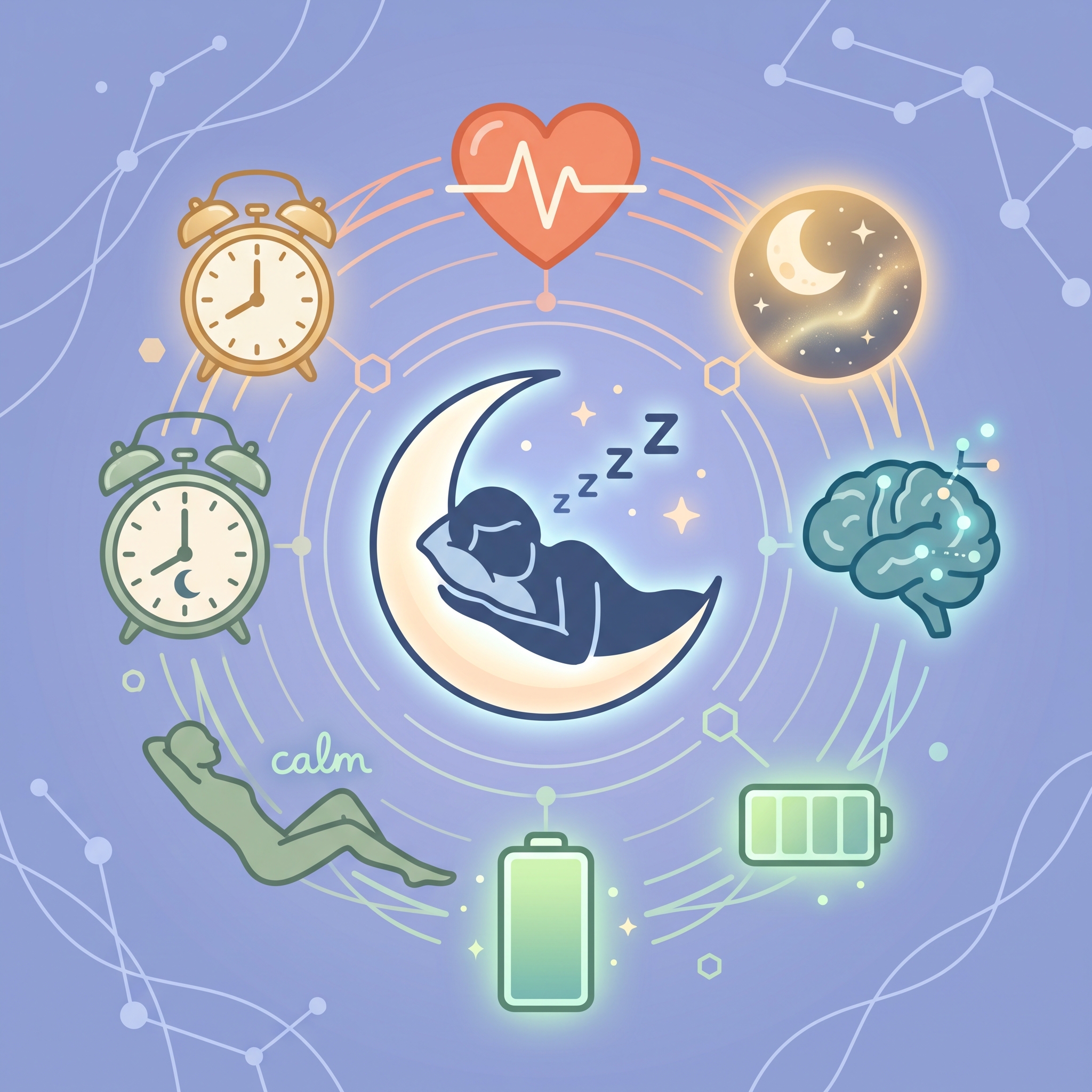
We sometimes treat sleep as optional.
Our biology doesn’t.
Sleep supports immune regulation, metabolism, brain function, cardiovascular health, memory, and tissue recovery.
Chronic sleep deprivation has also been associated with increases in inflammatory markers.
For most adults, aiming for approximately seven to nine hours of sleep per night is a reasonable goal, although individual needs vary.
Good sleep habits include:
- Keeping a reasonably consistent sleep schedule
- Making your bedroom dark, quiet, and comfortable
- Limiting caffeine later in the day
- Reducing bright screens near bedtime
- Getting daylight and movement during the day
- Creating a relaxing evening routine
And if you routinely sleep for adequate hours but still wake exhausted—or someone tells you that you snore heavily or stop breathing during sleep—talk with a healthcare professional.
Sleep apnea and other sleep disorders deserve proper evaluation.
Stress Is Biological, Not Just Emotional
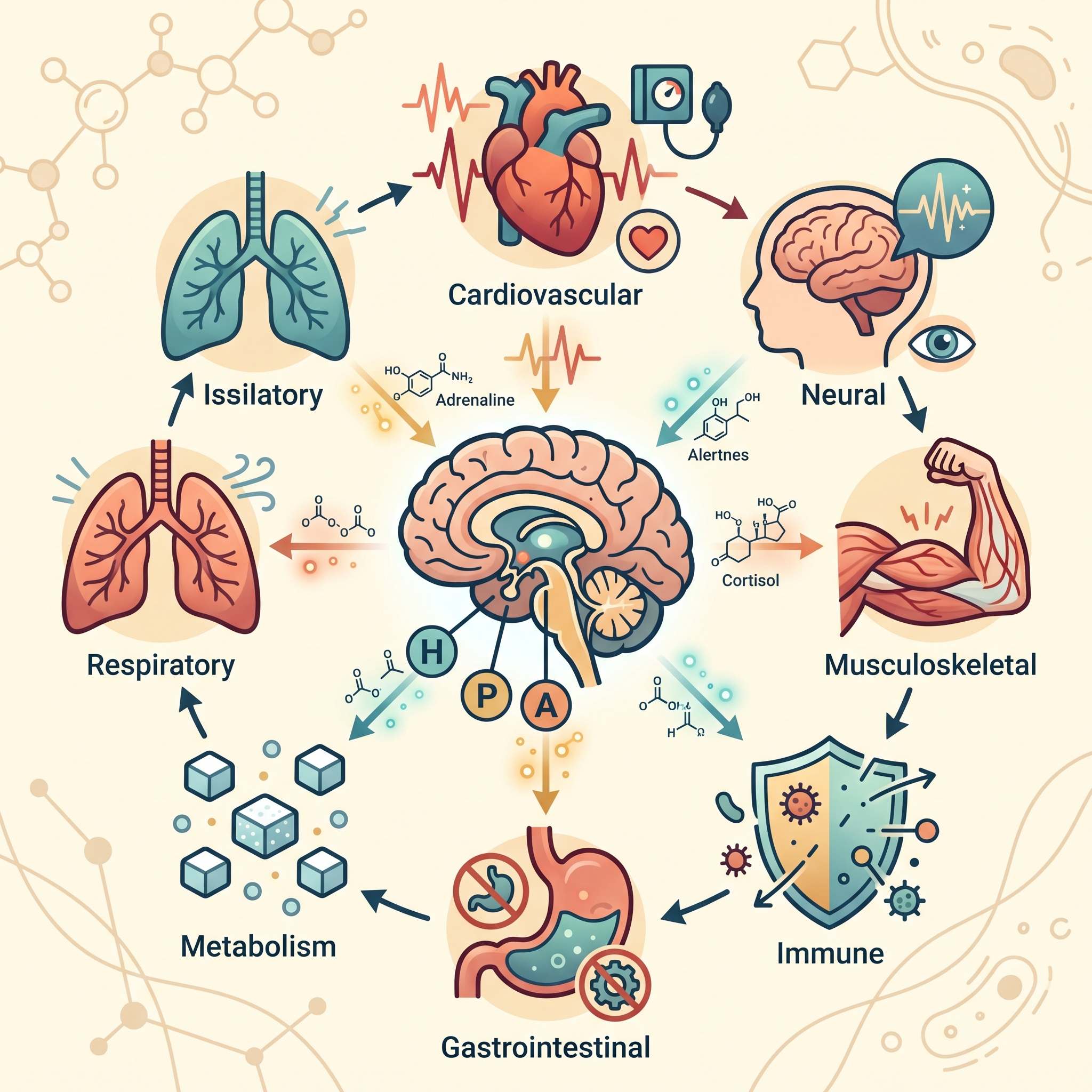
Stress doesn’t exist only in your thoughts.
Your brain, endocrine system, nervous system, cardiovascular system, and immune system all participate in the stress response.
That’s useful when you’re facing a short-term challenge.
The problem is when the body rarely gets an opportunity to return to baseline.
Simple strategies can help support stress resilience:
- Slow breathing
- Meditation
- Prayer or contemplative practices
- Time outdoors
- Physical activity
- Social connection
- Music
- Hobbies
- Setting boundaries
- Adequate sleep
You don’t need to eliminate stress.
That’s impossible.
The goal is to give your body regular opportunities to shift out of a constant high-alert state.
Don’t Forget Oral Health
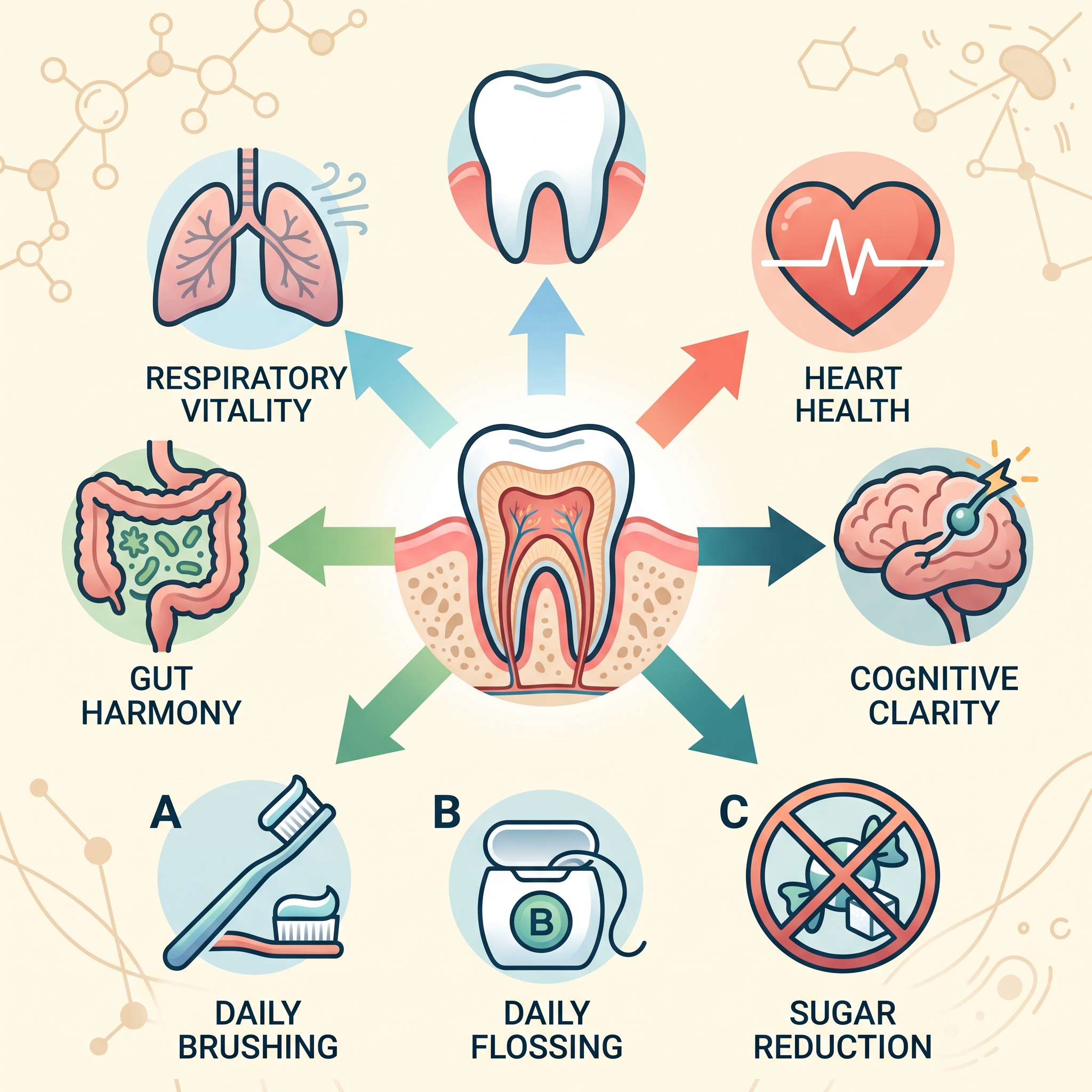
This connection surprises many people.
The mouth is part of the body, not an isolated system.
Chronic gum disease involves persistent local inflammation and has been associated with broader health risks.
Brush, floss or clean between your teeth, and maintain appropriate dental care.
It’s a small daily habit with benefits far beyond having a nice smile.
Myths vs. Facts
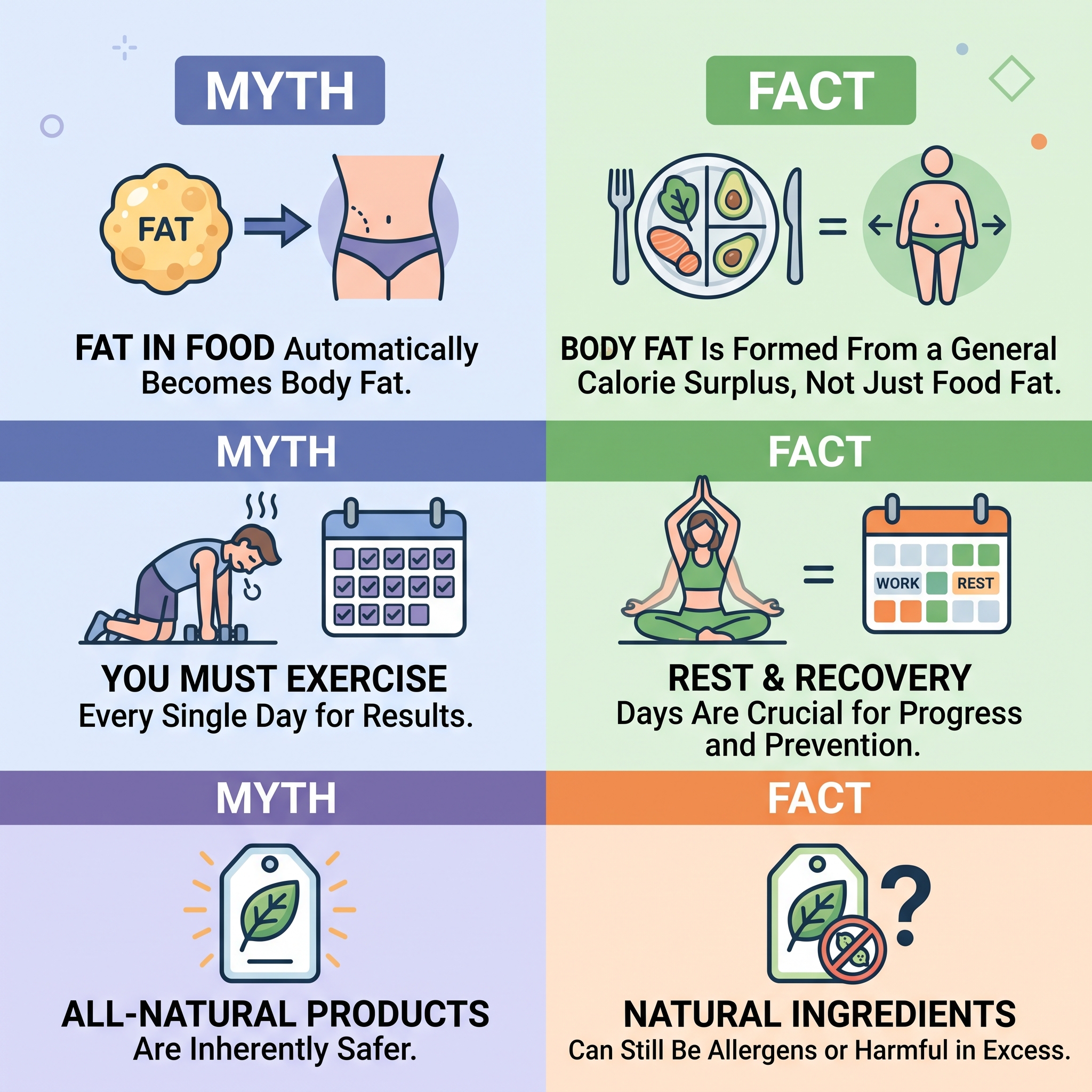
MYTH: All inflammation is bad.
FACT: Acute inflammation is essential for fighting infection and repairing injuries. Problems arise when inflammatory activity becomes excessive, inappropriate, or persistent.
MYTH: If I’m tired or achy, I definitely have chronic inflammation.
FACT: Those symptoms have many possible causes. They shouldn’t be used to self-diagnose inflammation.
MYTH: One supplement can eliminate inflammation.
FACT: No supplement substitutes for identifying and appropriately treating an underlying medical condition or for foundational habits such as nutrition, sleep, physical activity, and avoiding tobacco.
MYTH: Sugar causes inflammation immediately every time you eat it.
FACT: Health effects are better understood in terms of overall dietary patterns, metabolism, quantity, and frequency—not declaring a single occasional food inherently toxic.
MYTH: You need an extreme detox to reduce inflammation.
FACT: Your liver, kidneys, gastrointestinal tract, lungs, skin, and other systems continually process and eliminate waste. Supporting overall health through nutrition, hydration, movement, sleep, and appropriate medical care is more evidence-based than extreme “detox” programs.
MYTH: Getting older means chronic inflammation is unavoidable.
FACT: Aging influences inflammatory biology, but lifestyle and health conditions also matter. Healthy habits remain valuable at every age.
Seven Everyday Habits That Support Healthy Inflammatory Balance
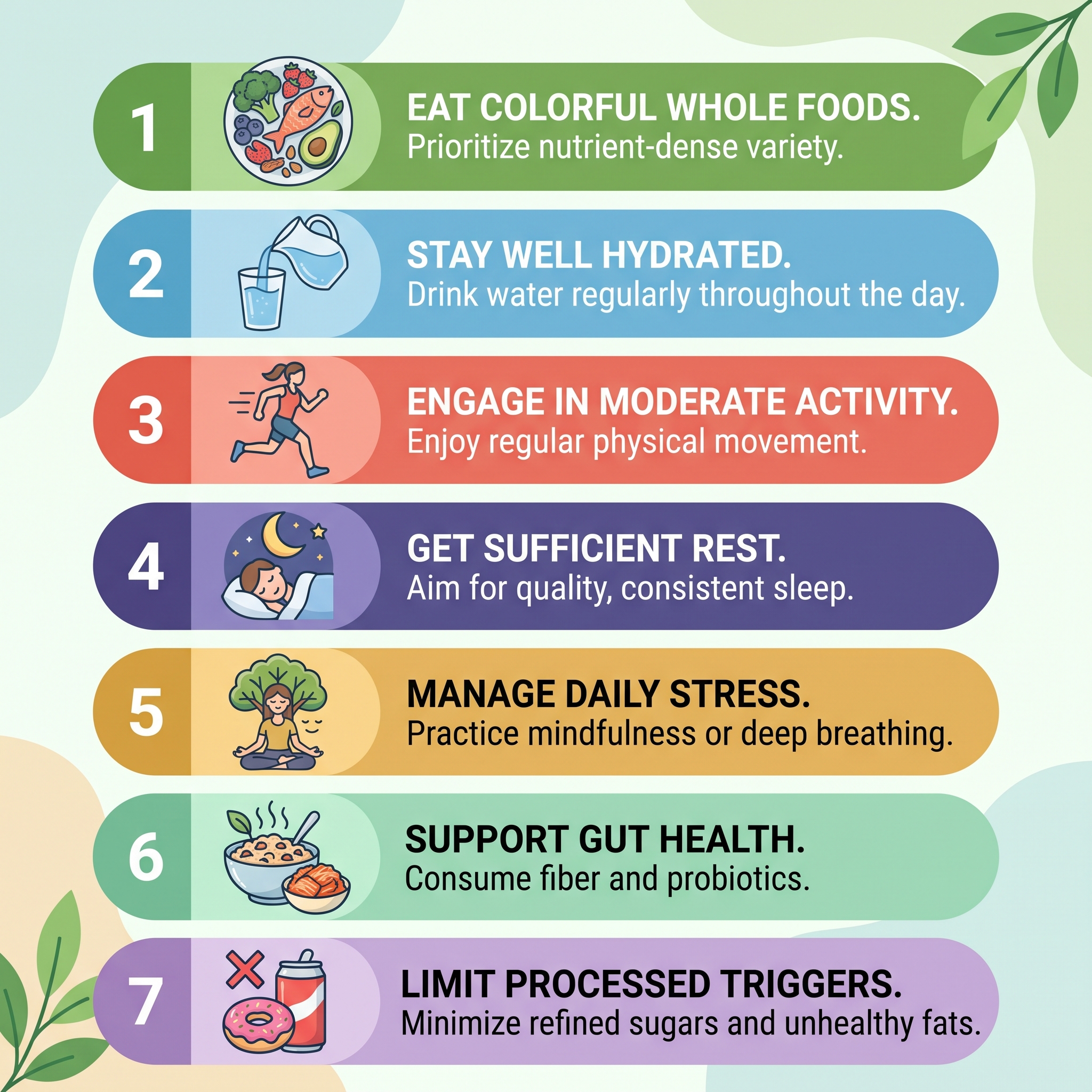
You don’t need to change your entire life Monday morning.
Start here.
1. Add plants instead of simply removing foods.
Put an extra vegetable on your dinner plate.
2. Walk.
Even short bouts of movement are worthwhile.
3. Protect your sleep.
Treat bedtime like an appointment with your health.
4. Drink water throughout the day.
Hydration supports normal physiological function.
5. Give your nervous system quiet time.
Five minutes of slow breathing is better than waiting for the mythical day when life stops being stressful.
6. Don’t smoke.
If you smoke, getting help to quit is one of the most meaningful steps you can take for long-term health.
7. Be consistent rather than perfect.
Your body responds to what you do repeatedly.
Frequently Asked Questions
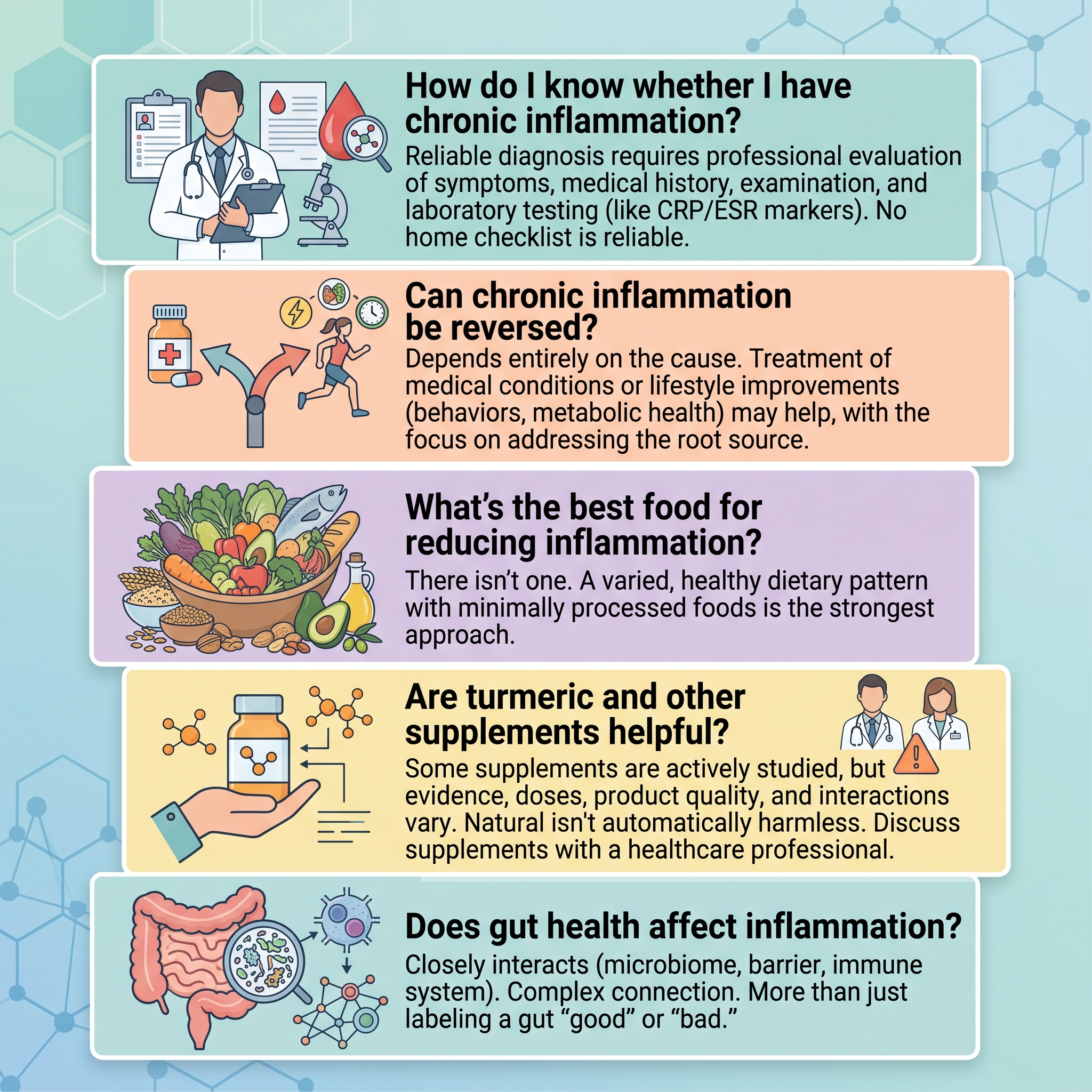
How do I know whether I have chronic inflammation?
There isn’t a home symptom checklist that can reliably diagnose chronic inflammation.
Healthcare professionals evaluate the whole picture: symptoms, medical history, examination, known conditions, and sometimes laboratory testing.
Markers such as C-reactive protein (CRP) and erythrocyte sedimentation rate (ESR) can provide information about inflammation, but they don’t automatically tell you its cause and aren’t appropriate screening tests for everyone.
Can chronic inflammation be reversed?
That depends entirely on the cause.
Inflammation related to a medical condition may require specific treatment. Lifestyle-related factors may improve when underlying behaviors and metabolic health improve.
The important point is to address the cause, rather than simply trying to “turn inflammation off.”
What’s the best food for reducing inflammation?
There isn’t one.
The strongest approach is a healthy dietary pattern rich in vegetables, fruit, legumes, whole grains, nuts, seeds, healthy unsaturated fats, and other minimally processed foods.
Are turmeric and other supplements helpful?
Some supplements and plant compounds are actively studied for inflammatory effects, but evidence, doses, product quality, medication interactions, and safety vary.
“Natural” doesn’t automatically mean harmless.
Discuss supplements with a healthcare professional or pharmacist, particularly if you take prescription medications or have a medical condition.
Does gut health affect inflammation?
The intestinal microbiome, intestinal barrier, and immune system interact closely, and researchers are actively investigating how these relationships influence local and systemic inflammation.
It’s an important connection—but it’s more complicated than simply labeling a gut “good” or “bad.”
When Should You Talk With a Healthcare Professional?
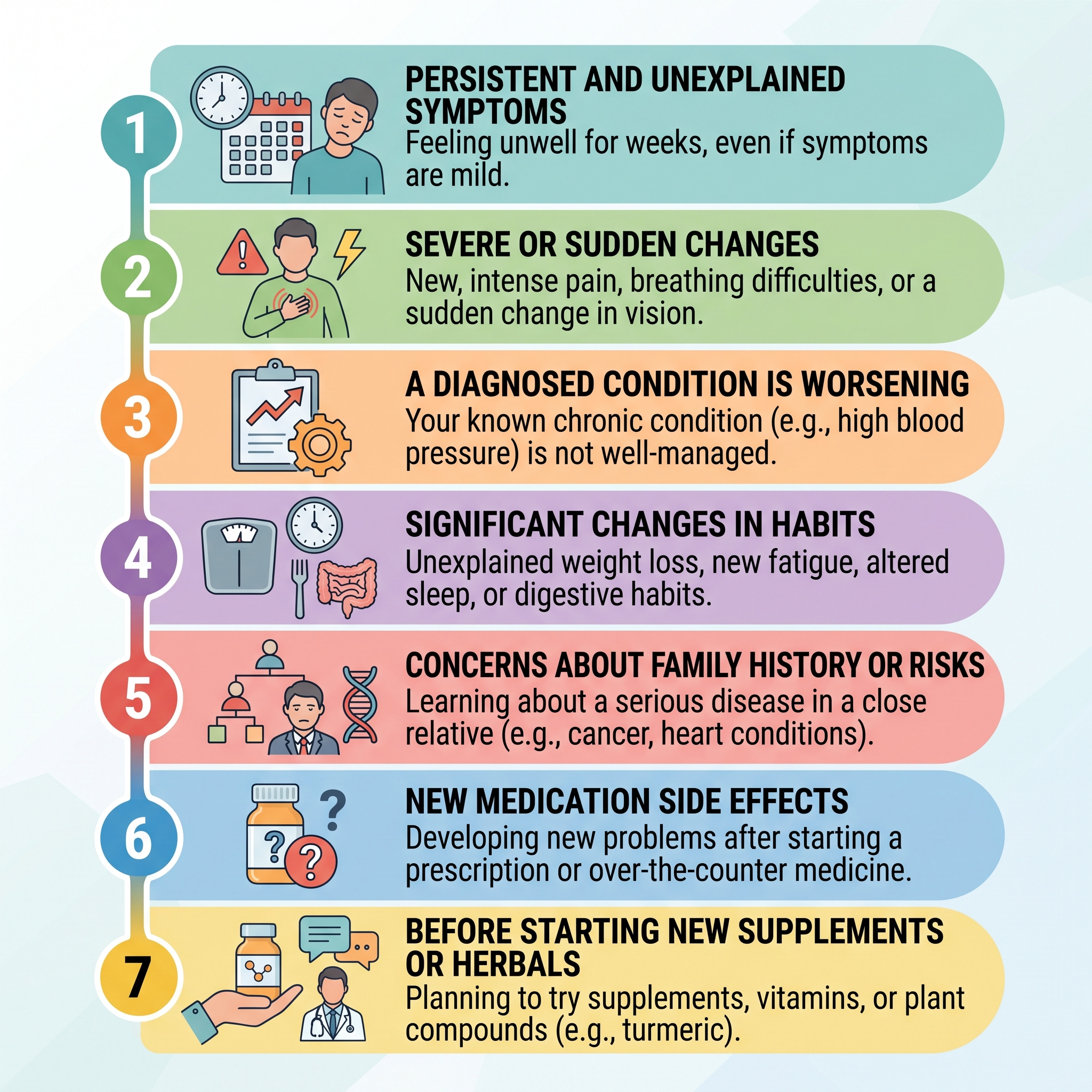
Don’t assume persistent symptoms are “just inflammation.”
Seek appropriate medical evaluation for symptoms such as:
- Unexplained or persistent fatigue
- Unexplained weight loss
- Persistent fever
- Significant or worsening joint swelling
- Persistent abdominal pain
- Blood in the stool
- New neurological symptoms
- Persistent swollen lymph nodes
- Unexplained shortness of breath
- Chest pain
- Symptoms that are worsening or interfering with everyday life
Chest pain, severe breathing difficulty, stroke-like symptoms, or other potentially life-threatening symptoms require urgent medical attention.
Wellness education should complement appropriate healthcare—not replace it.
Pam’s Perspective
During my years in nursing and now through my work at Regeneration Station, one lesson has stayed with me: the body doesn’t operate in isolated pieces.
We often separate everything into categories—digestion, sleep, stress, pain, energy, immune health—but the body doesn’t recognize those divisions.
Everything communicates.
That’s one reason I’m so passionate about education.
When people begin understanding how sleep affects stress, how movement influences metabolism, how the gut communicates with the immune system, and how everyday choices add up over time, wellness starts to feel less mysterious.
You don’t need to change everything overnight.
Start with one thing.
Take the walk.
Add the vegetables.
Go to bed a little earlier.
Drink the water.
Take five quiet minutes.
Then do it again tomorrow.
Knowledge gives us the opportunity to make better choices—and small choices, repeated consistently, can become powerful habits.
— Pam Keen, Founder, Regeneration Station
Key Takeaways
- Inflammation isn’t inherently bad. It’s an essential part of the body’s defense and repair systems.
- Acute and chronic inflammation are different. Acute inflammation is usually temporary; chronic inflammation persists.
- Chronic inflammation isn’t a diagnosis you can make from symptoms alone.
- The body is interconnected. Gut health, immunity, sleep, stress, metabolic health, movement, and inflammatory signaling influence one another.
- Lifestyle matters. A predominantly whole-food diet, regular physical activity, sufficient sleep, stress management, avoiding tobacco, and appropriate medical care support long-term health.
- You don’t need perfection. Consistent healthy habits are more valuable than short-lived extreme programs.
Empowering Better Health Through Knowledge